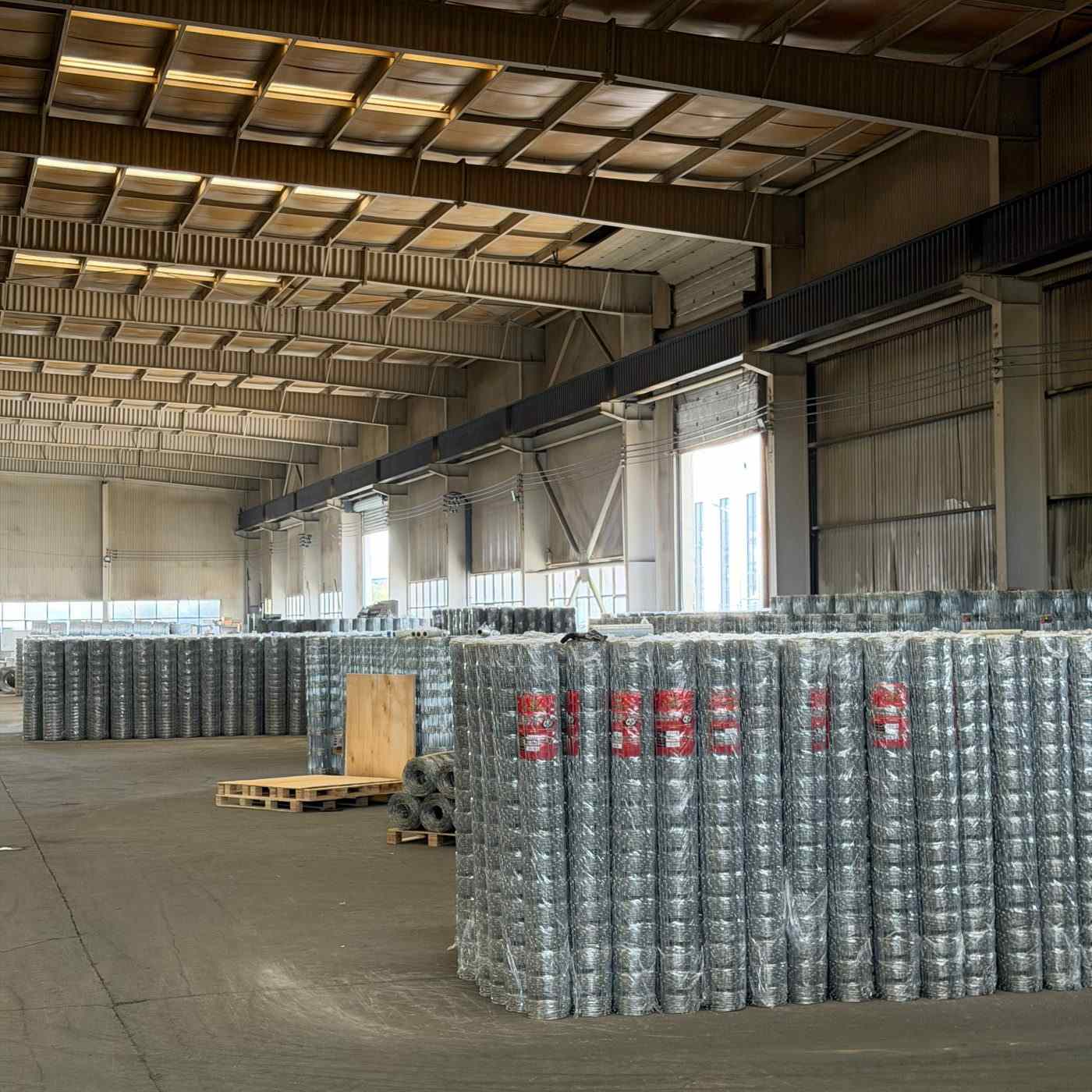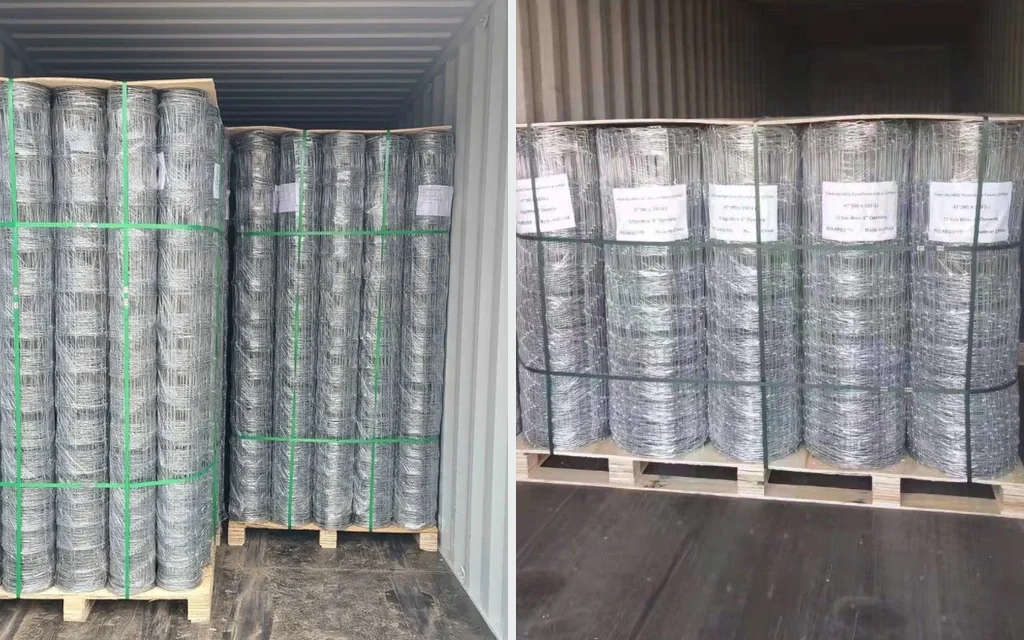
1. FCL vs LCL woven wire fence shipping: what changes?
Full container load (FCL) gives the booked shipment a container, even when it is not filled to capacity. Less than container load (LCL) shipping combines goods from several shippers. A KUNYU container holding several fence models, posts and fittings can still be FCL shipping. “Mixed products” does not automatically mean LCL.
LCL can suit smaller shipments that do not need a whole container. FCL can suit a larger order or a route where fewer cargo handovers matter. Neither mode is always cheaper. Ask for current offers for the same shipment date and delivery point.
| Decision | FCL | LCL |
|---|---|---|
| Space | Container booked for the shipment. | Shared space; charged on the quoted weight/volume basis. |
| Handling | Usually fewer cargo handovers. | Consolidation and separation add warehouse handling. |
| Time | Check sailing, release and final truck dates. | Also allow time for consolidation and destination separation. |
| Packing | Plan roll restraint, load distribution and unloading. | Also protect packs for shared handling and agreed stacking. |
2. Measure the packed goods, not the bare roll
List roll count by model, net and gross weight, pack dimensions and pallet count. Include wrapping, pallet height and any overhang in the dimensions sent to the forwarder. State whether another load can be stacked on top. Do not assume a round roll can be billed as a tightly filled rectangular block.
For example, four hypothetical packs measuring 1.2 × 1.0 × 1.25 metres each total 6 cubic metres (CBM). If their combined gross weight is 3,000 kg, that is 3 metric tonnes. These are calculation inputs, not KUNYU pack sizes or loading capacities.
DHL's LCL cost guide describes weight/measurement (W/M) charging using the larger of cubic metres and metric tonnes. On that basis, the example is 6 revenue units, not 3. Confirm the forwarder's minimum charge, rounding and density basis. Dense cargo or a non-stackable pack may change the bill.
3. Compare the full logistics quote
Put the same delivery endpoint at the top of both offers. A port-only offer and a warehouse-delivery offer do not cover the same work. Ask who handles customs clearance, the final truck and unloading. Keep taxes, insurance and product value visible as separate lines.
The table below uses made-up USD amounts for the same goods and delivery endpoint. It is a method example, not a market rate, offer or guaranteed cost.
| Example logistics item | LCL | FCL |
|---|---|---|
| Main freight | 6 W/M units × $100 = $600 | $900 per container |
| Origin services | $250 | $400 |
| Destination handling/release | $500 | $250 |
| Final truck | $350 | $450 |
| Comparable logistics total | $1,700 | $2,000 |
Product cost, duties, taxes, insurance and inspection are excluded from this example. Add them where needed to build your full purchase budget. Count each service once. If a forwarder bundles a charge, do not add it again under another name.
If the destination LCL line rose by $400, its total would become $2,100. FCL would then be $100 lower for these assumed inputs. This is why an ocean-freight price alone cannot settle the choice. There is no fixed roll count or CBM threshold that decides every route.
4. Convert the quote to usable fence length
Assume the example order contains ten accepted rolls with 330 feet of net fence each: 3,300 feet in total. Its logistics cost is about $0.515 per foot for LCL or $0.606 per foot for FCL. These figures use the table above and do not include the product price.
Use the same accepted net length in both calculations. If one offer ships fewer rolls, show the different quantity. For a mixed order, allocate freight using an agreed method and show the fence share. Do not divide the whole container cost by fence length while ignoring other products carried in it.
5. Protect rolls and confirm receiving access
Agree protection for roll ends and outer mesh, secure bands, pack labels and lifting points. State pack gross weight and forklift access. A receiving site with no suitable lifting gear needs a different delivery plan before booking.
For U.S. shipments using regulated solid-wood pallets or dunnage, follow APHIS wood-packaging requirements, including treatment and marking. Processed-wood and non-wood alternatives have different scope. Confirm the actual packing materials; a plywood top does not establish that every timber component is exempt.
Keep packing photos, model labels, pack counts and the loading record. Record container and seal numbers for FCL. On receipt, photograph damage and label details before removing wrapping. Use the woven wire inspection checklist to record product checks separately from freight damage.
6. Request a route-specific quotation
Send KUNYU the models or drawings, roll counts, destination, delivery endpoint and unloading limits. We review FCL and LCL supply and packing for the actual order. Agree quote validity and the expected ready date. Compare total transit time across the shipping process: collection, consolidation where used, sailing, release and final delivery.
Download the blank FCL/LCL comparison sheet (CSV). Enter current packing and freight offers. Use the container loading guide for the separate cargo-fit plan.
Shipping references: DHL LCL cost drivers, Maersk FCL/LCL guide and APHIS wood packaging guidance. Actual quotes and destination requirements govern the shipment.