This guide explains how fixed knot fence and hinge joint fence compare, when each option makes sense, and what information buyers should prepare before requesting a quotation. Buyers can compare the complete farm fence supplies range, or check our Resources Center for more insights.
Specification basis: Product recommendations are based on the visible KUNYU FENCING specification tables and common export configurations. Final gauge, coating, roll weight, packing and container quantity must be confirmed in the quotation, approved sample and production order.
1. What Is Fixed Knot Fence?
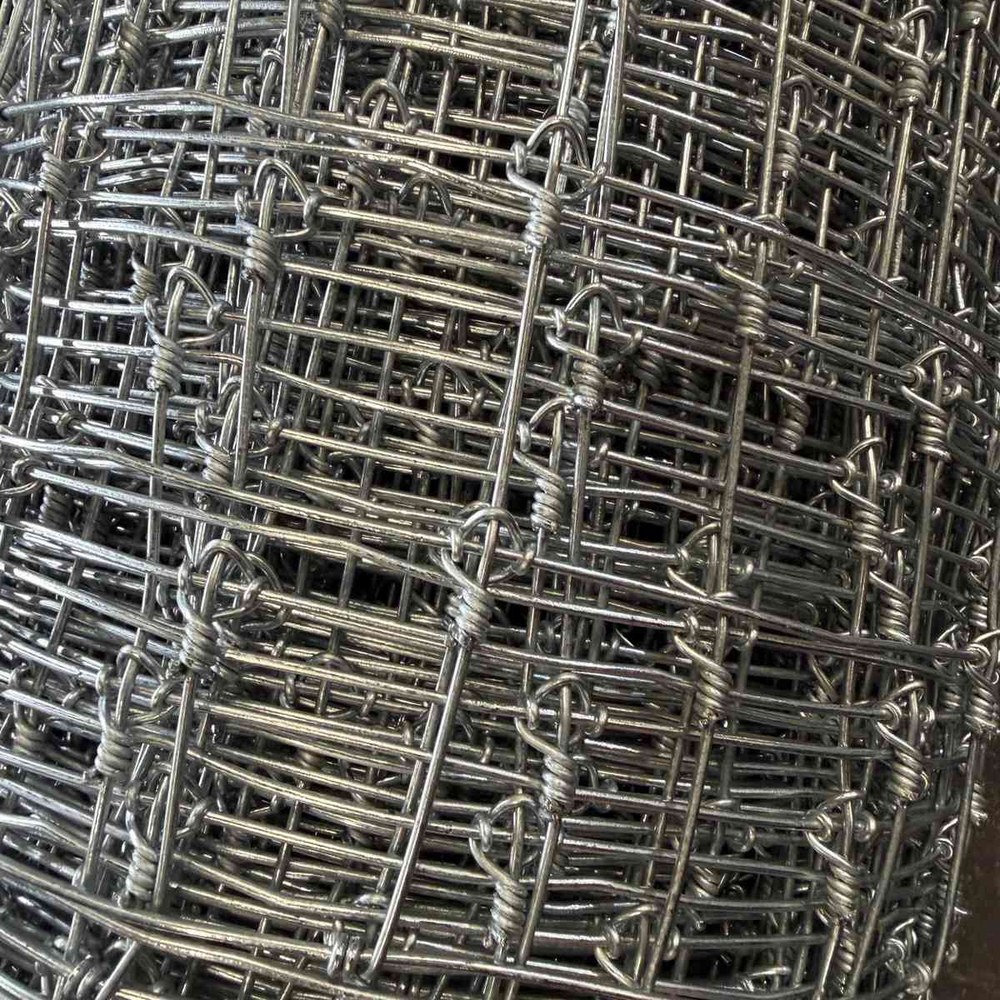
Fixed knot fence is woven wire fencing with a separate knot wire securing the horizontal line wire to a continuous vertical stay. Knot construction and wire tensile grade are separate specifications; the finished fence must be evaluated with its wire diameters, opening layout and installed support system.
Published fixed knot models cover different cattle, pasture and deer-fence requirements. A 48 inch cattle model and a 96 inch deer model share a knot type but have different geometry and selection conditions. Service life and maintenance cannot be established from the knot name alone.
For distributors, approve the model, opening schedule, wire, coating and packaging required by the customers who will use the fence.
2. What Is Hinge Joint Fence?
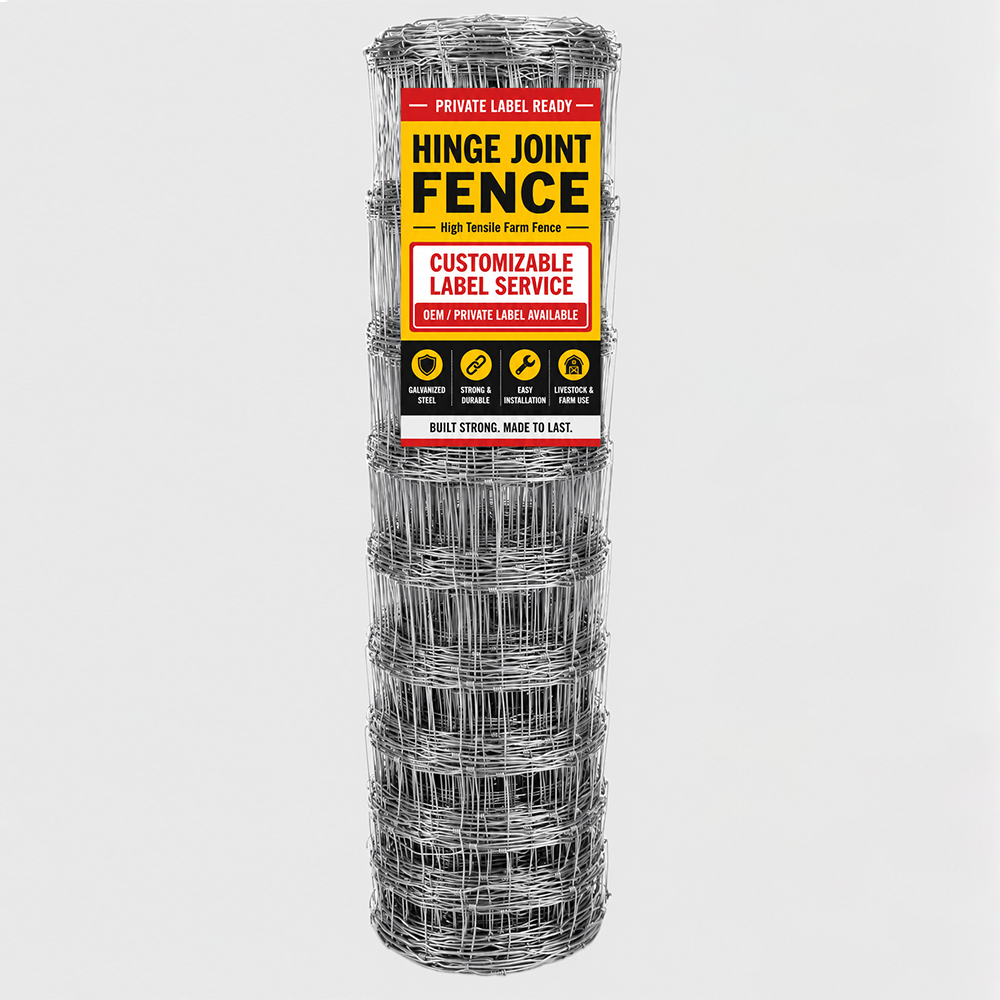
Hinge joint fence is also woven wire field fencing. Its vertical stay wires wrap around horizontal line wires to form hinge joints. Hinge construction can use mild or high-tensile wire; compare the specified wire and mesh geometry rather than treating the knot name as a material grade.
Hinge joint models may be evaluated for livestock, pasture and rural boundaries. Animal size, horns, pressure, openings and the proposed fence system must be checked for the specific model. Compare current quotations on equivalent requirements before making a cost claim.
For B2B buyers who supply general farm fencing products, hinge joint fence can be a practical volume product with broad market demand.
What should a wholesale buyer compare before choosing the knot?
Compare knot construction and wire grade separately. A hinge joint fence can use high-tensile wire. A fixed knot fence is not automatically the correct choice for every animal, terrain or budget.
| Buyer decision | What to compare |
|---|---|
| Containment | Animal size, horns, pressure, opening dimensions, fence height and ground clearance |
| Structural response | Knot type, continuous or segmented stays, wire diameters and specified tensile ranges |
| Installed cost | Rolls, end/corner/gate assemblies, line posts, fixings, labour and maintenance assumptions |
| Durability | Coating material, standard/class, test evidence and actual service conditions |
| Import cost | Equivalent roll length, confirmed packing weight/volume, freight allocation and agreed delivery terms |
Start with our fixed knot range and hinge joint range. Record the selected model and installation assumptions before comparing price. Wider post spacing is a project design decision, not an automatic benefit guaranteed by a knot name.
3. Key Differences at a Glance
The knot system is one construction difference. Wire grade and diameter, coating, opening geometry, posts, bracing and installation also affect the finished system. Request evidence for the selected configuration.
| Comparison Item | Fixed Knot Fence | Hinge Joint Fence |
|---|---|---|
| Knot Structure | Fixed knot locks stay wire and line wire tightly together | Flexible hinge knot wraps around the line wire |
| Strength Level | Often selected for a more rigid structure and shape retention when the approved wire and knot specification supports it | Flexible movement; final strength depends on the approved wire, joint and mesh specification |
| Applications to Assess | Cattle, deer, ranch boundary, wildlife fence, heavy-duty pasture | General farm boundary, cattle, sheep, goat and pasture fence |
| Stay Construction | Continuous stays secured with separate knot wires | Stay wires wrapped around line wires at the joints |
| Cost Level | Use a current quote for the approved model, wire, coating and packing | Use the same comparison basis; knot type alone does not determine price |
| Evidence to Request | Wire grade, knot construction, coating basis, test evidence and installation assumptions | Wire grade, joint construction, coating basis, test evidence and installation assumptions |
| Buyer Fit | Ranch suppliers, project buyers, professional fencing contractors | Importers, wholesalers and farm supply distributors |
4. Which Fence Fits the Animal and Project?
Use the species, age, horn status, animal pressure and site layout to select a model. No knot type or single spacing figure proves that a fence is suitable for every animal.
| Buyer Requirement | Models or Ranges to Review | Approval Checks |
|---|---|---|
| Cattle and pasture | 1348-6-330 fixed knot and the hinge joint range | Animal pressure, complete openings, height, wire and installed supports; review each model separately. |
| Sheep and goats | Appropriate woven-wire geometry; review the sheep and goat selection guide | Confirm animal size, horns, head-entrapment risk and both opening dimensions. Do not approve a model solely because it is called field fence. |
| 8 ft deer and game boundary | 2096-6-330 fixed knot | 96 in height, species, terrain, gates, ground clearance and installation; a 48 in model is not an equivalent substitute. |
| Horse projects | Review purpose-specific horse-fence models and opening geometry | Assess hoof/head entry, visibility, contact risks and the installed system; a smooth wire description alone is insufficient. |
| Ranch boundary and repeat supply | The approved fixed knot or hinge joint model | Keep drawings, wire/coating requirements, label version and packing consistent between orders. |
5. Cost vs Service Life: Why Buyers Should Not Only Compare Unit Price
Many buyers start by comparing unit price per roll. This is understandable, but it does not show the full cost of a farm fence system. A lower-priced fence may be suitable for general use, but if the application requires higher strength, the buyer may face extra repair cost, shorter replacement cycles or customer complaints.
Compare the actual material quotations and the proposed installed systems. A lower roll price does not establish a lower total project cost, and a fixed knot does not guarantee longer service life or lower maintenance. State the assumptions and evidence behind any lifetime-cost comparison.
A good B2B quotation should help the customer compare not only price, but also application, wire diameter, fence height, roll length, coating, packing method and expected service conditions.
Compare both quotations on the same delivered basis
Use the same fence length, currency, delivery point and quotation date. Record a separate model and installation layout for each option; do not assume identical post spacing or guaranteed maintenance savings.
| Cost line | Calculation / comparison basis |
|---|---|
| Fence rolls | Required rolls × price per roll; use usable roll length and stated layout / wastage allowances. |
| Posts, braces and fixings | Approved layout quantities × unit prices; include end, corner and gate assemblies. |
| Logistics and import costs | Add only costs excluded by the quotation: packing, inspection, freight, destination charges and applicable duty / tax. Confirm with the appointed agent. |
| Installed cost per metre | (Landed materials + installation labour / equipment) ÷ the same installed fence length. |
| Maintenance comparison | Show the period and assumptions separately; coating or knot names alone do not establish repair cost or lifetime. |
Download the fixed knot / hinge joint cost comparison worksheet (CSV). Fill both options with supplier quotations and project inputs. Blank costs are unknown, not zero; this worksheet contains no fixed prices.
6. Surface Finish and Wire Specification Considerations
Most farm fence buyers request galvanized wire because outdoor fence rolls need corrosion resistance in field environments. Buyers in coastal, humid or high-rainfall regions may pay more attention to zinc coating level, wire diameter and coating durability.
Before quoting, suppliers should confirm the required fence height, number of horizontal wires, vertical stay spacing, top and bottom wire diameter, inner wire diameter and roll length. These details directly affect the product cost and container loading plan.
| Specification Item | What Buyers Should Confirm |
|---|---|
| Fence Height | 0.8m, 1.0m, 1.2m, 1.5m, 1.8m or custom height |
| Roll Length | 50m, 100m or market-specific roll length |
| Horizontal Wire Count | Depends on fence height and livestock application |
| Vertical Stay Spacing | Common spacing options should be confirmed before quotation |
| Wire Diameter | Top/bottom wire and inner wire may use different diameters |
| Surface Finish | Galvanized wire, high zinc coating or custom requirement |
| Packing | Roll packing, pallet packing, label, sleeve or private label option |
7. Packing and Mixed Container Loading Support
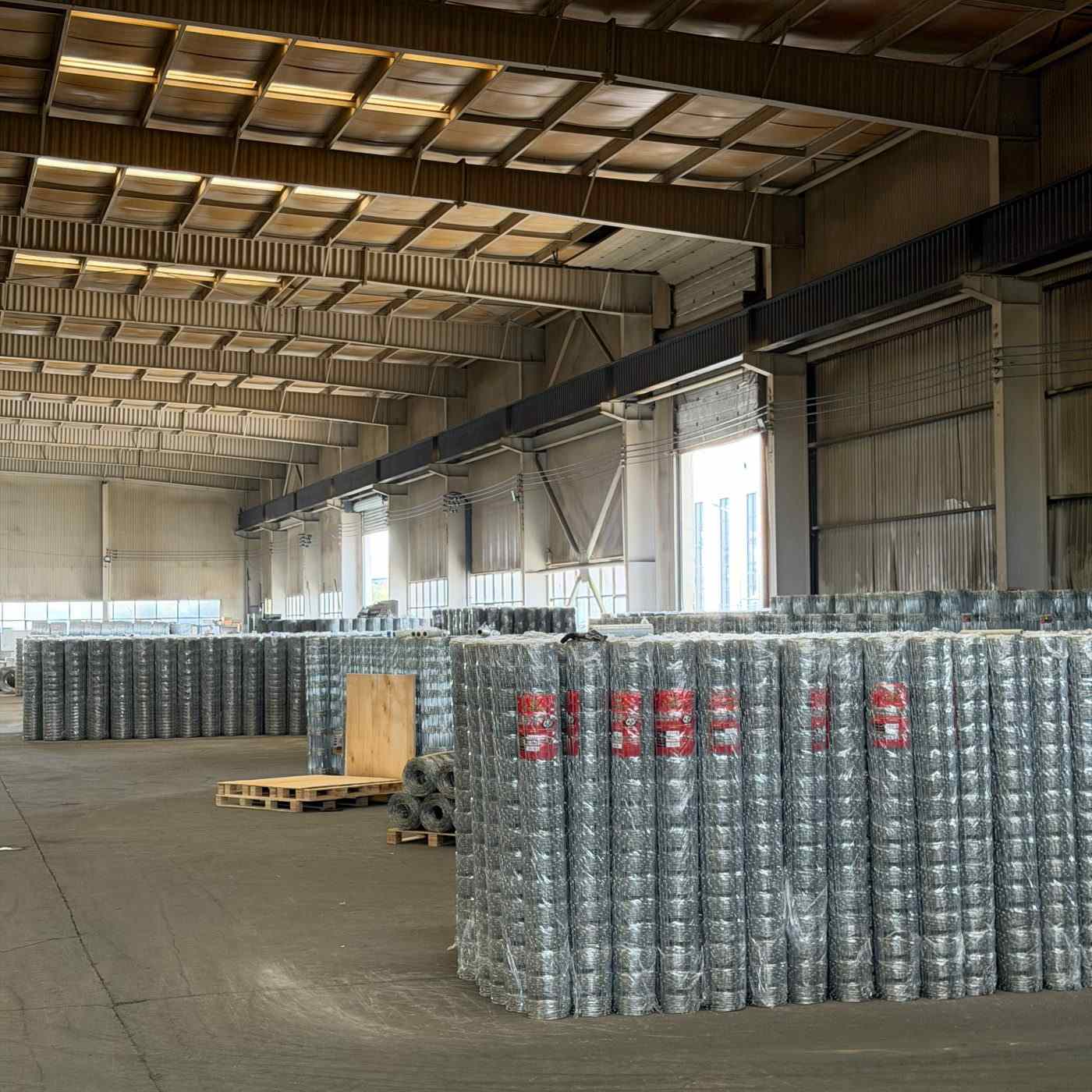
For importers and distributors, packing is not a small detail. Fence rolls must be easy to handle, store and resell. Buyers may request roll labels, private label packing, pallet packing or mixed loading with posts and accessories.
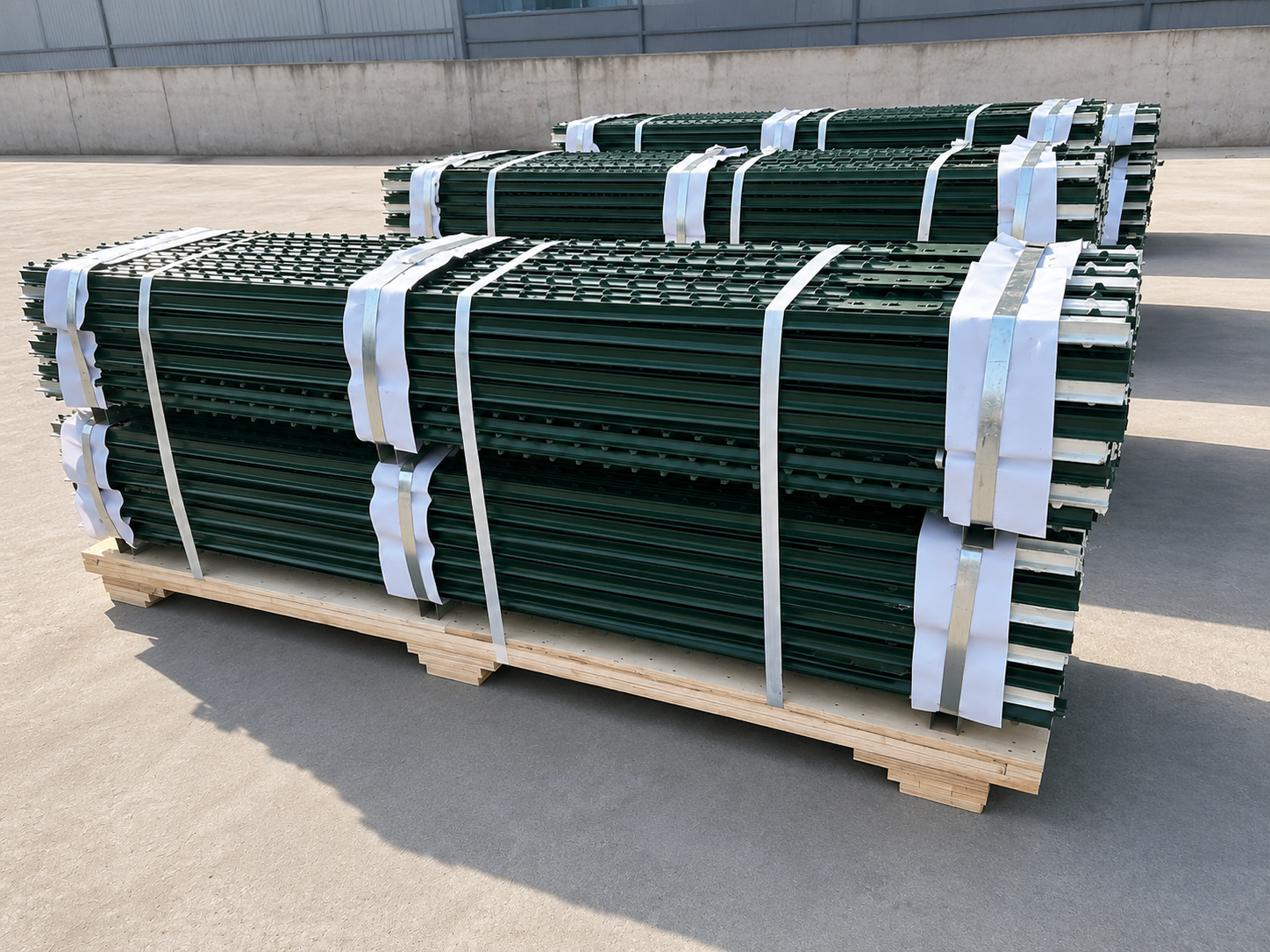
Mixed container loading is especially useful when buyers source farm fencing systems instead of one single product. Fixed knot fence or hinge joint fence can be discussed together with T posts, star pickets, barbed wire, fence clips, chain link fence or other wire mesh products. This helps buyers organize product lines more efficiently and reduce sourcing complexity.
8. Recommended Fence Options by Market Region
Different regions have different fencing habits, livestock types and price expectations. A supplier should avoid giving the same recommendation to every buyer. The table below provides a practical reference for B2B sourcing discussions.
| Region | Common Buyer Need | Suggested Products |
|---|---|---|
| North America | Ranch boundary, cattle fence, deer fence and field fencing | Fixed Knot Fence, Hinge Joint Fence, T Post, Barbed Wire |
| South America | Pasture fencing, livestock control and cost-sensitive farm boundary | Hinge Joint Fence, Barbed Wire, T Post, Fixed Knot Fence for premium projects |
| Europe | Farm boundary, garden land, field protection and stable supply | Hinge Joint Fence, Hardware Cloth, Hexagonal Netting, PVC or galvanized options |
| Oceania | Sheep fence, cattle fence, paddock fencing and rural property fencing | Star Picket, Fixed Knot Fence, Hinge Joint Fence, Barbed Wire |
9. RFQ Checklist for Fixed Knot Fence and Hinge Joint Fence
When both offers are for fixed knot products, use the 949 vs 1348 specification guide to check model differences and the bulk quotation comparison to align materials, quantities and delivery terms.
To receive a fast and accurate quotation, buyers should provide more than the product name. The more complete the RFQ information is, the easier it is to calculate cost, packing, loading quantity and shipping options.
| RFQ Item | Buyer Should Provide |
|---|---|
| Fence Type | Fixed knot fence or hinge joint fence |
| Application | Cattle, sheep, deer, horse, pasture, farm boundary or wildlife fence |
| Fence Height | Required height in meters or inches |
| Roll Length | 50m, 100m or custom roll length |
| Wire Diameter | Top/bottom wire and inner wire requirements if available |
| Mesh Opening / Stay Spacing | Horizontal wire count and vertical stay spacing |
| Surface Finish | Galvanized, high zinc coating or special requirement |
| Packing | Roll packing, pallet packing, label or private label |
| Quantity | Rolls, pallets or container quantity |
| Destination Port | Required for FOB / CIF quotation |
10. FAQ About Fixed Knot Fence and Hinge Joint Fence
1. Is fixed knot fence better than hinge joint fence?
Neither knot type is universally better. Compare the selected model, wire grade, complete openings, coating, animal requirements and installed system, then compare quotations on the same basis.
2. What is hinge joint fence used for?
Hinge joint models are evaluated for livestock, pasture and rural boundaries. Confirm the model geometry, animal size and horn status, wire requirements and installation before selecting a specific product.
3. What is fixed knot fence used for?
Fixed knot models cover cattle, pasture, ranch and deer-fence requirements. Select the actual height and opening layout for the project; a knot type alone does not prove strength, service life or animal suitability.
4. Which fence is more economical?
Use current quotations for approved configurations and compare the same fence length, packing and delivery basis. Include the proposed posts, braces and installation costs separately. Maintenance or lifetime savings require their own evidence.
5. Can fixed knot fence and hinge joint fence be loaded with T posts?
Yes. Buyers can discuss mixed container loading with fence rolls, T posts, star pickets, barbed wire and related accessories to build a more complete farm fencing supply plan.
6. What information is needed for quotation?
Buyers should provide fence type, height, roll length, wire diameter, mesh opening or stay spacing, surface finish, packing requirement, quantity and destination port.
Still choosing between woven wire, barbed wire, electric fencing and post-and-rail systems? Compare farm fence types and follow the selection checklist.
Compare Product Specifications
- 26 in hinge joint livestock fence — a compact economical specification.
- 39 in hinge joint livestock fence — for general pasture and livestock boundaries.
- High tensile fixed knot cattle fence — the core heavy-duty ranch option.
- 61 in fixed knot livestock fence — for taller and higher-pressure applications.
Request a Farm Fence Quotation
If you are sourcing fixed knot fence, hinge joint fence or a complete farm fencing system, please send your required fence height, roll length, wire diameter, surface finish, packing requirement, quantity and destination port. KUNYU FENCING can support quotation by specification, mixed container discussion and B2B export packing.