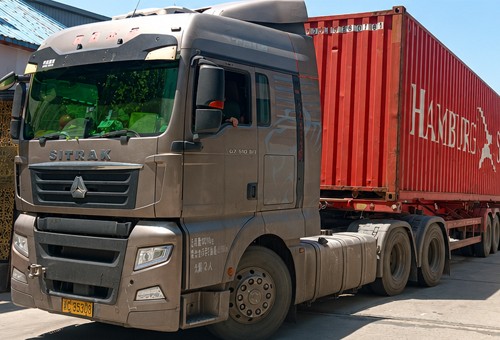
KUNYU FENCING loading planning data. Use this worksheet to compare product quantities, packing formats and container choices. The listed unit weights and package sizes are planning inputs; calculated counts are estimates, not a certified packing list or a guarantee of physical capacity. Approve the actual item weights, package dimensions and loading arrangement with your order.
KUNYU order MOQ: one 20ft container (1 × 20GP). Select one product or submit a proposed mix for quotation review. The minimum is a container order, not a fixed roll count or a promise that every mixed SKU will be accepted. Quantities below are planning calculations for the named reference packing.
1. Container Dimensions, Payload and Working Weight Budget
These are carrier fleet examples, not the specification of a booked container. Dimensions are internal length × width × height; the door is width × height. All dimensions below are in millimetres and weights in kilograms.
| Container / source | Inside / door (mm) | Volume | Max gross / tare / payload (kg) |
|---|---|---|---|
| 20GP | 5,900 × 2,352 × 2,395 Door: 2,340 × 2,292 | 33.2 m³ | 30,480 / 2,350 / 28,130 |
| 40GP | 12,032 × 2,352 × 2,395 Door: 2,340 × 2,292 | 67.7 m³ | 32,500 / 3,750 / 28,750 |
| 40HC / 40HQ | 12,032 × 2,350 × 2,700 Door: 2,340 × 2,597 | 76.3 m³ | 32,500 / 3,900 / 28,600 |
Calculation basis: use 27,500 kg as this guide's planning control for total cargo including packing, and reduce it whenever the actual container payload, booking or inland transport allowance is lower. This is a calculation policy, not a universal legal or carrier limit. Container tare is separate from cargo weight.
Available product-weight budget = permitted cargo weight − pallets, packaging and securing not already included − other cargo. The weight tables compare 24,000 kg and 27,000 kg product budgets. The higher case assumes a 27,500 kg cargo allowance less an illustrative 500 kg packing/securing reserve; the lower case illustrates 24,500 kg less the same reserve. Replace the reserve with measured packing. Neither case establishes US road or axle-weight approval.
Weight-only count = floor(product-weight budget ÷ planning item kg). Calculations use 1 lb = 0.45359237 kg without intermediate rounding. A planning item weight is not a certified net or export gross weight. Do not add packaging twice. The dispatch quantity must also pass layout, door, floor loading, securing and unloading checks.
How do I calculate loading for 1047-6-330 or 1348-6-330?
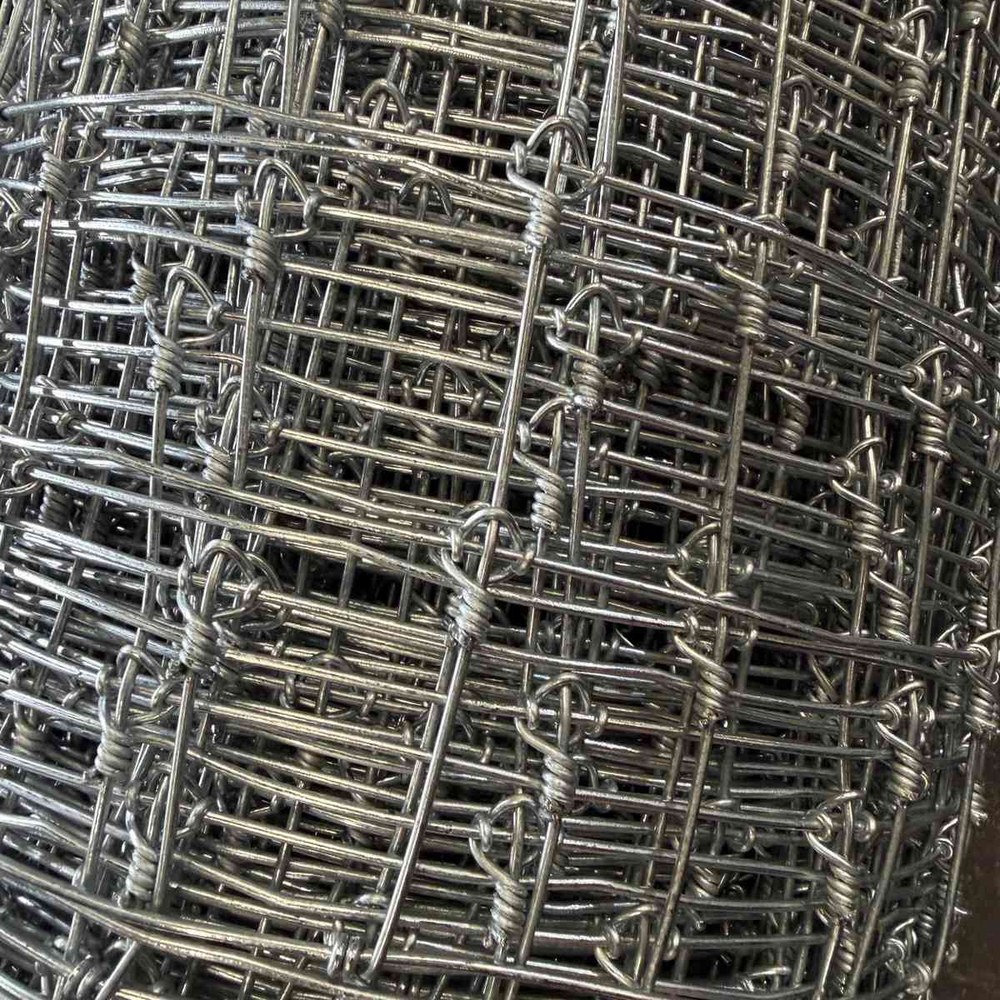
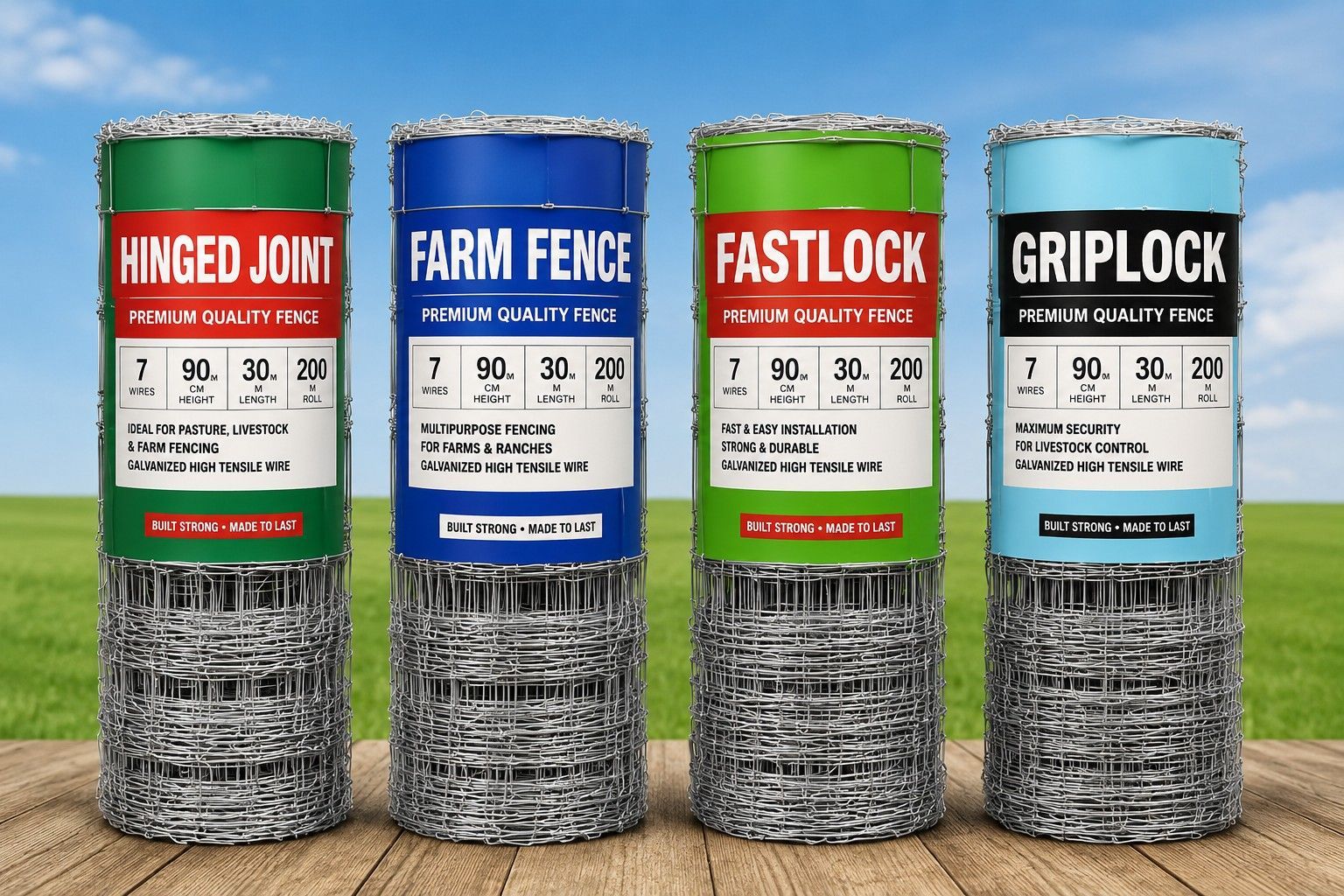
Use the exact wire grade, knot type and packing specification. 1047-6-330 is 47 in × 330 ft, while 1348-6-330 is 48 in × 330 ft; neither is exactly 1,200 mm × 100 m. Use the matching weight and packing scenario below. Compare the weight ceiling with the package layout, then use the lower feasible result.
Start with KUNYU's 1047-6-330 or 1348-6-330 specification and request the corresponding packing measurements.
2. KUNYU Fence Roll Planning Weights and Calculated Counts
The same model number can have different weights when wire grades or construction change. Match the wire construction and packing inputs below instead of assigning a generic weight to every 1.2 m or 1.5 m roll. The last two columns are weight ceilings only, not rolls that will physically fit.
| Product / planning configuration | Planning lb / calculated kg per roll | At 24,000 kg: rolls | At 27,000 kg: rolls |
|---|---|---|---|
| 1047-6-330 hinge joint · input set A, 12.5 / 10.5 ga | 197.82 lb / 89.73 kg | 267 | 300 |
| 1047-6-330 hinge joint · input set B, 12.5 ga filler | 201.687 lb / 91.48 kg | 262 | 295 |
| 949-6-330 fixed knot · 12.5 ga | 191.733 lb / 86.97 kg | 275 | 310 |
| 1348-6-330 fixed knot · 12.5 ga | 246.386 lb / 111.76 kg | 214 | 241 |
Pallet planning scenario: one layer, upright
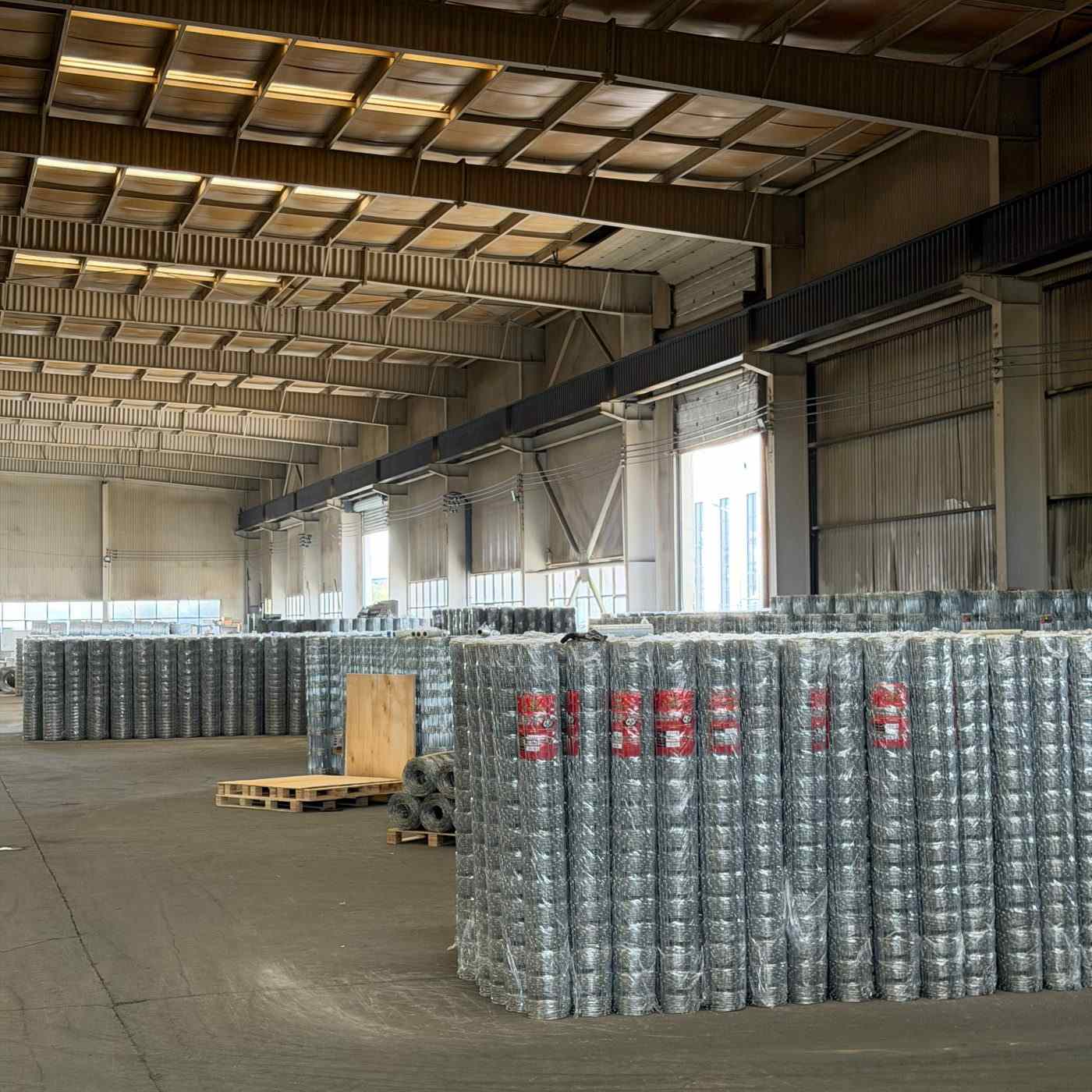
The following pallet scenarios use a 52 × 43 in footprint (1,320.8 × 1,092.2 mm). The calculation places the 52 in side along the container: four rows of two pallets in 20GP, nine rows of two in 40GP/40HC. No stacked pallets are assumed.
| Reference | Pallet L × W × H (in); rolls/pallet | 20GP: 8 pallets | 40GP / 40HC: 18 pallets |
|---|---|---|---|
| 1047-6-330 · input set A | 52 × 43 × 55; 8 | 64 rolls | 144 rolls |
| 1047-6-330 · input set B | 52 × 43 × 55; 8 | 64 rolls | 144 rolls |
| 949-6-330 fixed knot | 52 × 43 × 58; 6 | 48 rolls | 108 rolls |
| 1348-6-330 fixed knot | 52 × 43 × 57; 6 | 48 rolls | 108 rolls |
Space governs these single-layer layouts. Rotating every pallet 90° gives only 5 floor positions in 20GP or 11 in 40GP. A transverse row containing both orientations needs 2,413 mm width and cannot fit. Comparing rows of each orientation does not improve the 8 / 18 positions. Even the shortest pallet doubled is 2,794 mm high, above the 40HC example's 2,700 mm interior.
The paired pallet width is 2,184.4 mm, below the 2,340 mm door width. The occupied length is 5,283.2 mm in 20GP and 11,887.2 mm in 40GP: only 616.8 mm and 144.8 mm remain respectively. These residual strips are before securing and handling clearance; the 40ft layout particularly needs a measured overhang and loading-method check. Load each pallet separately through the door.
1348-6-330: compare pallet and loose-roll layouts
For this 1348-6-330 calculation, the input item envelope is 19.5 × 19.5 × 52 in: diameter proxy D = 495.3 mm and axial length A = 1,320.8 mm. Treating it as a cylinder is a geometry assumption, not permission to lay or stack an actual shipment. The pallet method below is the baseline for quotation review; loose-roll methods require approved supports, compression limits and mechanized handling.
| Layout / status | 20GP rolls | 40GP rolls | 40HC rolls |
|---|---|---|---|
| Upright, single-layer pallet scenario: calculated baseline | 48 | 108 | 108 |
| Loose horizontal, square rows: geometry only | 64 (4 banks × 4 × 4) | 144 (9 × 4 × 4) | 180 (9 × 4 × 5) |
| Loose horizontal, staggered rows: geometry only | 80 (4 banks × 4 × 5) | 180 (9 × 4 × 5) | 180 (9 × 4 × 5) |
For the staggered case, alternating four-roll rows use 4.5D = 2,228.9 mm width and D + 4 × 0.866D ≈ 2,211.1 mm height, below the example 20GP/40GP door opening. Five square rows in 40HC use 2,476.5 mm height. A sixth staggered row would be approximately 2,640 mm high, above its 2,597 mm door: it is excluded from this door-clearance comparison. These are tested patterns, not a proof of the maximum possible packing.
Illustrative total cargo: with assumed 25 kg per pallet plus 200 kg shared securing, 48 palletized rolls total about 5,764 kg and 108 rolls about 12,720 kg. With a separate assumed 300 kg loose-load packing/securing allowance, 80 rolls total about 9,241 kg and 180 rolls about 20,417 kg. All remain below the 27,500 kg planning control; the geometry and handling constraints bind first. The allowance values are assumptions, not measured pallet weights.
For the 20GP staggered pattern, nominal residual dimensions are 616.8 mm at the length end, 123.2 mm across the total width and about 183.9 mm overhead. Supports and working gaps consume part of this space. Do not assign extra cargo simply from its summed cubic volume.
Use KUNYU's hinge joint range or fixed knot range to select the order specification. The calculated count changes when the ordered winding diameter, pallet format or wire specification differs from the planning inputs.
3. Welded Wire Rolls: Weight References
KUNYU's welded-wire worksheet compares three configurations with 2 × 4 in openings. The approximate unit weights below are calculation inputs; roll diameter, export pallet dimensions and permitted stacking must be agreed for the order.
| Welded-wire configuration | Planning lb / calculated kg | Weight ceiling: 24,000 kg | Weight ceiling: 27,000 kg |
|---|---|---|---|
| 4 ft × 50 ft, 14 ga | 32 lb / 14.51 kg | 1,653 rolls | 1,860 rolls |
| 4 ft × 100 ft, 14 ga | 63 lb / 28.58 kg | 839 rolls | 944 rolls |
| 5 ft × 100 ft, 12.5 ga | 119 lb / 53.98 kg | 444 rolls | 500 rolls |
Welded-wire pallet planning quantities
The three packing scenarios use 16, 9 and 8 rolls per pallet respectively. Apply full-pallet rounding to the product-weight budget as follows; pallet tare is additional. Specify the selected packing format in the quotation.
| Reference | Rolls / pallet | Roll weight / pallet, before pallet tare | 24t weight ceiling | 27t weight ceiling |
|---|---|---|---|---|
| 4 ft × 50 ft, 14 ga | 16 | 232.2 kg | 103 pallets / 1,648 rolls | 116 pallets / 1,856 rolls |
| 4 ft × 100 ft, 14 ga | 9 | 257.2 kg | 93 pallets / 837 rolls | 104 pallets / 936 rolls |
| 5 ft × 100 ft, 12.5 ga | 8 | 431.8 kg | 55 pallets / 440 rolls | 62 pallets / 496 rolls |
These are whole-pallet weight ceilings, not physical container capacities. Pallet length, width, packed height and stacking approval are separate order inputs; they cannot be calculated from rolls per pallet alone.
Do not quote these weight ceilings as container capacity. This weight calculation does not establish roll outside diameter, export pallet envelope or stacking strength. Physical capacity therefore remains unverified for these three products. A 4 ft roll is 1,219.2 mm high before wrapping; two upright layers already total 2,438.4 mm, exceeding the standard-container interior. A 40HC may allow the height geometrically, but load-bearing and handling approval are still required.
Send measured diameter and gross package dimensions for the 4 ft × 100 ft welded wire roll to turn this weight comparison into a dispatch count.
4. Steel T Posts: Complete-Post Weights and Bundle Counts
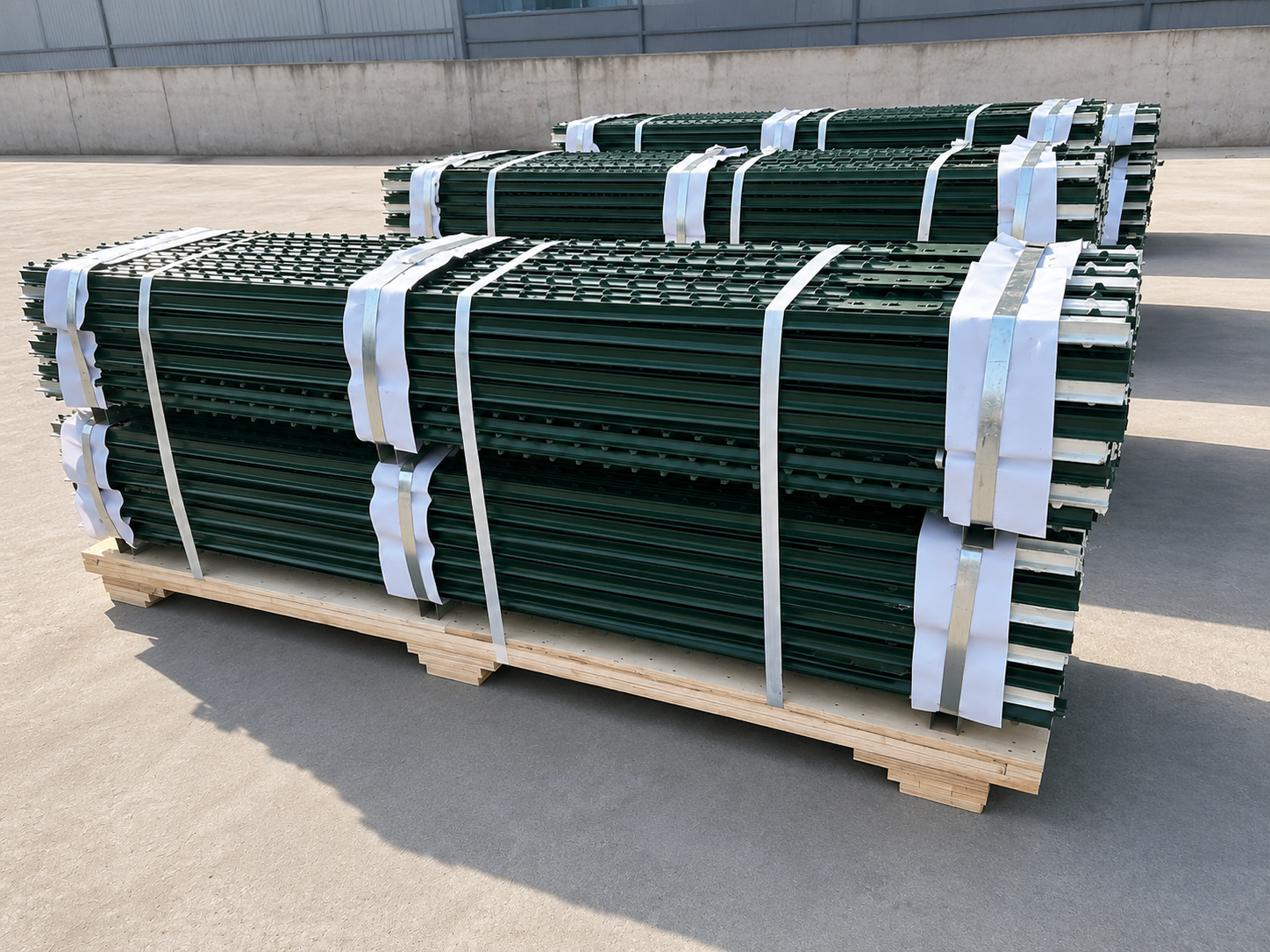
The T-post calculation uses complete painted posts with plates and a 200-piece bundle scenario. Counts are rounded down to full bundles after applying the two product-weight budgets. Confirm actual unit weight and bundle format for the selected KUNYU order. A 40ft container does not automatically double the permitted cargo weight or post count.
| Painted post with plate / planning configuration | lb / kg per post | 24,000 kg budget | 27,000 kg budget |
|---|---|---|---|
| 6 ft × 0.95 lb/ft | 6.2 lb / 2.812 kg | 8,400 pcs / 42 bundles | 9,600 pcs / 48 bundles |
| 5 ft × 1.25 lb/ft | 6.69 lb / 3.035 kg | 7,800 pcs / 39 bundles | 8,800 pcs / 44 bundles |
| 6 ft × 1.25 lb/ft | 7.95 lb / 3.606 kg | 6,600 pcs / 33 bundles | 7,400 pcs / 37 bundles |
| 6 ft × 1.33 lb/ft | 8.65 lb / 3.924 kg | 6,000 pcs / 30 bundles | 6,800 pcs / 34 bundles |
| 8 ft × 1.25 lb/ft | 10.45 lb / 4.740 kg | 5,000 pcs / 25 bundles | 5,600 pcs / 28 bundles |
| 8 ft × 1.33 lb/ft | 11.31 lb / 5.130 kg | 4,600 pcs / 23 bundles | 5,200 pcs / 26 bundles |
| 10 ft × 1.33 lb/ft | 14 lb / 6.350 kg | 3,600 pcs / 18 bundles | 4,200 pcs / 21 bundles |
Why 6 ft × 1.25 is not automatically 3.40 kg per finished post: nominal section weight gives 6 × 1.25 = 7.50 lb. This worksheet uses 7.95 lb = 3.606 kg as the complete-post planning input. Confirm the actual finished weight and whether plates, coating and clips are included in the ordered configuration.
At this reference weight, 3,000 posts represent about 10,818 kg before additional packing or accessories. The 27,000 kg scenario gives 7,400 posts: about 26,685 kg of listed item weight plus an assumed 500 kg packing reserve = 27,185 kg, leaving about 315 kg below the 27,500 kg control. This is a weight pass only; the 37 bundle envelopes, supports and load distribution must fit.
For longitudinal bundle planning, a bare 6 ft post is 1,828.8 mm: three lengths total 5,486.4 mm in 20GP, leaving 413.6 mm before end protection and gaps. An 8 ft post cannot be laid across the 2,352 mm interior width because it is 2,438.4 mm long. Bundle cross-sections, not individual post dimensions, determine the actual number of stacks. See the 6 ft green T post and selection guide.
Barbed wire coil references for mixed orders
| Product / planning configuration | lb / kg per coil | Coils / planning pallet | Weight ceilings at 24t / 27t |
|---|---|---|---|
| 12.5 ga, 4-point, 5 in spacing, Class 3, 1,320 ft | 89.276 lb / 40.49 kg | 27 | 592 / 666 |
| 15.5 ga, 4-point, 5 in spacing, Class 3, 1,320 ft | 41.719 lb / 18.92 kg | 48 | 1,268 / 1,426 |
| 14 ga, 4-point, 5 in spacing, Class 3, 1,320 ft | 65.94 lb / 29.91 kg | 27 | 802 / 902 |
For the 12.5 ga and 15.5 ga references, the planning pallet envelopes are 48 × 40 × 41 in (1,219.2 × 1,016 × 1,041.4 mm). A single-layer mixed-orientation layout uses two lanes: one 1,016 mm wide and one 1,219.2 mm wide. This gives 4 + 5 = 9 pallets in 20GP, or 9 + 11 = 20 pallets in 40GP/40HC. The 12.5 ga example therefore gives 243 / 540 coils; the 15.5 ga example gives 432 / 960 coils before packing-weight and clearance checks. Uniform orientation gives only 8 / 18 pallets.
The 14 ga planning configuration uses a different 52 × 43 × 41 in pallet with 27 coils. The single-layer 8 / 18 pallet pattern described above gives 216 coils in 20GP or 486 in 40GP/40HC, before packing and clearance checks. Input item envelopes are 14.5 × 14.5 × 12 in for the 12.5 ga and 14 ga references, and 13.5 × 13.5 × 9 in for the 15.5 ga four-point reference. Do not transfer a two-point coil weight to a four-point order.
Two pallet heights fit geometrically, but these calculations do not approve two-high loading. Moreover, 40 pallets of the 12.5 ga coils would weigh about 43,734 kg before pallets, so that proposal fails the weight check. Confirm actual pallet mass and stacking approval rather than doubling a floor count. These are ordinary barbed wire references, not razor or concertina wire.
5. Mixed Container Loading: Worked Weight Budget
For a distributor comparing fence rolls, posts and barbed wire, the following example uses the same planning weights. It is a weight-screened order mix, not an approved 20GP layout.
| Reference product | Quantity | Reference kg each | Calculated kg |
|---|---|---|---|
| Fixed knot 1348-6-330 | 60 | 111.759 | 6,705.5 |
| 6 ft × 1.25 lb/ft posts with plate | 3,000 | 3.606 | 10,818.2 |
| 12.5 ga 4-point barbed wire, 1,320 ft | 100 | 40.495 | 4,049.5 |
Listed-item total: 21,573.2 kg. Add an assumed 500 kg for packing, securing and any separately ordered accessories: 22,073.2 kg. Remaining allowance below the 27,500 kg planning control: 5,426.8 kg. Replace that reserve with actual weights before release; exclude accessories from the shipment if none are ordered.
Layout verdict: the mix passes this weight screen, but it does not fit a 20GP using the specified single-layer fixed-knot pallet scenario: 60 rolls require 10 pallets, exceeding the 8-pallet floor layout before any posts or coils are added. Review a 40ft layout, an approved loose-roll method, a smaller fence quantity or redesigned export packing. Bundle dimensions and the coil packing arrangement are needed to decide which option is feasible.
Loading sequence, balance and securing checks
Allocate cargo to longitudinal zones with a low, balanced centre of gravity before setting the loading order. Place supported heavy bundles and stable pallets progressively into their assigned floor positions from the closed end toward the doors; do not concentrate all heavy goods at either end. Add rolls and coils in their assigned zones, with chocks or blocking for rolling/sliding risks and protection at contact points. Follow an approved lashing plan; stretch film alone is not load restraint. Keep the unloading sequence and the receiving forklift's capacity compatible with the plan. Unrated roll-to-roll or pallet-on-roll stacking is excluded.
Check container floor point loads, forklift access and axle-weight distribution with the loading team and haulier. Total cargo below the container payload does not by itself establish road compliance. Record the verified gross mass using the booked container's actual tare plus all cargo and packing.
What Should Match Across the Packing List and Loading Photos?
| Record | Fields to reconcile |
|---|---|
| Approved order / SKU list | Model, controlling units, quantity, coating and label reference for every product. |
| Packing list | Pieces per package, package count, net/gross weights and packed dimensions; explain whether shared pallets and securing materials are included. |
| Package labels and photos | Readable SKU or batch identification and package counts that match the packing list. Keep images tied to the shipment. |
| Loading plan and completion record | Container reference, approved quantity, distribution/securing plan and actual loading photos. Confirm any deviation before release. |
Keep a dated version of each record with the order. The first-order evidence checklist provides blank fields for these references; it is not a measured KUNYU packing case.
6. Packing Methods and How They Affect Loading Quantity
Packing is a trade-off between container utilization and handling convenience at destination. The right choice depends on how the buyer sells: wholesale to fencing contractors, or retail through farm supply stores.
| Packing Method | Loading Efficiency | Best For |
|---|---|---|
| Loose rolls / bundles | Confirm physical fit and handling plan | Wholesale buyers with manual unloading labor |
| Pallet packing | Depends on pallet dimensions and loading plan | Distributors using forklift unloading and warehouse racking |
| Sleeve + printed label per roll | Confirm sleeve, label and package dimensions | Retail distribution and private label programs |
| Private label / OEM packing | Depends on design | Brand owners and chain store supply |
7. From Loading Quantity to Landed Cost
Container quantity connects FOB price with freight per unit. At the same total freight charge, a larger approved quantity reduces freight per unit, but packing, handling and destination costs can offset that difference. Compare quotations using the exact specification and a feasible loading plan.
When comparing suppliers, buyers should ask for: quantity per container for the exact specification, gross and net weight, packing method, and whether the supplier provides a loading plan and loading supervision photos. These details are as important as the unit price itself. For a full cost discussion, see how much a weak farm fence really costs your business.
8. RFQ Checklist for a Container Loading Calculation
To get an exact loading quantity and a fast FOB / CIF quotation, include the following information in your inquiry. Download the container-loading RFQ brief.
| RFQ Item | Buyer Should Provide |
|---|---|
| Product Type | Hinge joint fence, fixed knot fence, welded wire fence, T post, barbed wire, etc. |
| Specification | Height, roll length, wire diameter, mesh opening or stay spacing, post length and weight per foot |
| Surface Finish | Galvanized coating level, painted, PVC coated or custom requirement |
| Packing Requirement | Loose, bundles, pallets, sleeve, label or private label |
| Container Preference | 20ft, 40ft, 40HQ, or ask the supplier to recommend |
| Mixed Loading | List all products you want to combine in one container |
| Destination Port | Required for CIF quotation and local road weight limits |
| Target Quantity | Trial container, annual volume or program supply |
Container References and Order Verification
The following carrier references support container dimensions, door openings and equipment payload only. They do not certify KUNYU product weights, packing formats or loading quantities. Use the actual booked container and route allowance when approving the shipment.
- Hapag-Lloyd — 20ft standard container example
- Hapag-Lloyd — 40ft standard container example
- Hapag-Lloyd — 40ft high-cube container example
KUNYU order approval: match the selected model and wire construction to the unit weight; confirm gross package dimensions, packing mass, orientation and stacking; then check the proposed quantity against payload, physical fit, securing and destination unloading. Keep the approved packing list and loading plan with the quotation. The order minimum is one 20ft container (1 × 20GP).
9. FAQ About Fence Container Loading
What is KUNYU FENCING's minimum order?
KUNYU FENCING's minimum order is one 20ft container (1 × 20GP). The roll or post quantity depends on the selected specifications and packing. Different models or products can be submitted for mixed-container review; the allocation, compatibility and loading plan must be agreed in the quotation.
1. How many fence rolls fit in a 20ft container?
In KUNYU FENCING's single-layer pallet planning scenario, a 20GP holds 8 pallet positions: 64 rolls of 1047-6-330 at 8 rolls per pallet, or 48 rolls of 1348-6-330 at 6 rolls per pallet. These calculations use the package dimensions stated above. Final shipment quantity depends on the approved packing, weight, securing and unloading plan.
2. How many steel T posts fit in a 20ft container?
KUNYU FENCING's 6 ft × 1.25 lb/ft planning scenario uses 3.606 kg per complete post and 200-piece bundles. A 24,000–27,000 kg product-weight budget calculates to 6,600–7,400 posts. This is a weight ceiling, not a verified bundle layout. Confirm actual item weight, packing mass, bundle dimensions and route allowance before approving the order.
3. Should I choose a 20ft or 40ft container for fence products?
Compare 20ft, 40ft and 40HQ options using the actual packed weights, package dimensions, permitted shipment payload and total freight and handling cost. A larger container provides more space but does not automatically double the allowed cargo weight or the roll quantity. Select the feasible loading plan that suits the complete order and destination unloading requirements.
4. Can I mix fence rolls, T posts and barbed wire in one container?
KUNYU can review mixed orders of fence rolls, steel T posts and barbed wire. Confirm any clips or other accessories as separate quotation items. Feasibility depends on each SKU's quantity, measured packed weight, package dimensions and loading and unloading requirements. Use the bulk supply scope to prepare the product list; a mixed-order proposal is not a guaranteed container capacity.
5. What information is needed to calculate container loading quantity?
Provide product type, fence height, roll length, wire diameter, mesh opening or stay spacing, surface finish, packing method (loose rolls, pallets or bundles), destination port and whether mixed loading is required. The supplier can prepare a proposed quantity and FOB or CIF quotation, then validate it using measured packed weights, dimensions and shipment limits.
6. Is pallet packing worth the extra cost for fence rolls and T posts?
Pallets add tare weight and dimensions but can support forklift handling. Compare the approved pallet and bundle layouts, unloading equipment and total handling cost. The effect on final quantity must be calculated for the actual shipment.
7. How many rolls of 1348-6-330 fixed-knot fence fit in a 40-foot container?
KUNYU FENCING's single-layer 1348-6-330 pallet scenario uses 6 rolls per 52 × 43 × 57 in pallet. The calculated 40GP / 40HC layout has 18 pallet positions, or 108 rolls. The tested loose-roll patterns give 144–180 rolls, subject to approved orientation, supports and handling. The 27,000 kg weight-only ceiling is 241 rolls and must not be quoted as physical capacity.
Start with the 1348-6-330 product specification and container-loading RFQ brief. Request two separate results when comparing loose-roll and pallet packing, with the measured weights, dimensions, container type and destination stated for each.
Request a Container Loading Plan and Quotation
Send your product list, specifications, packing requirement and destination port. KUNYU FENCING can prepare a proposed 20ft, 40ft or mixed-container quotation. Final quantities and timing are confirmed after the packing measurements, route limits and production requirements are agreed.