What are the best types of fences for agricultural fields?
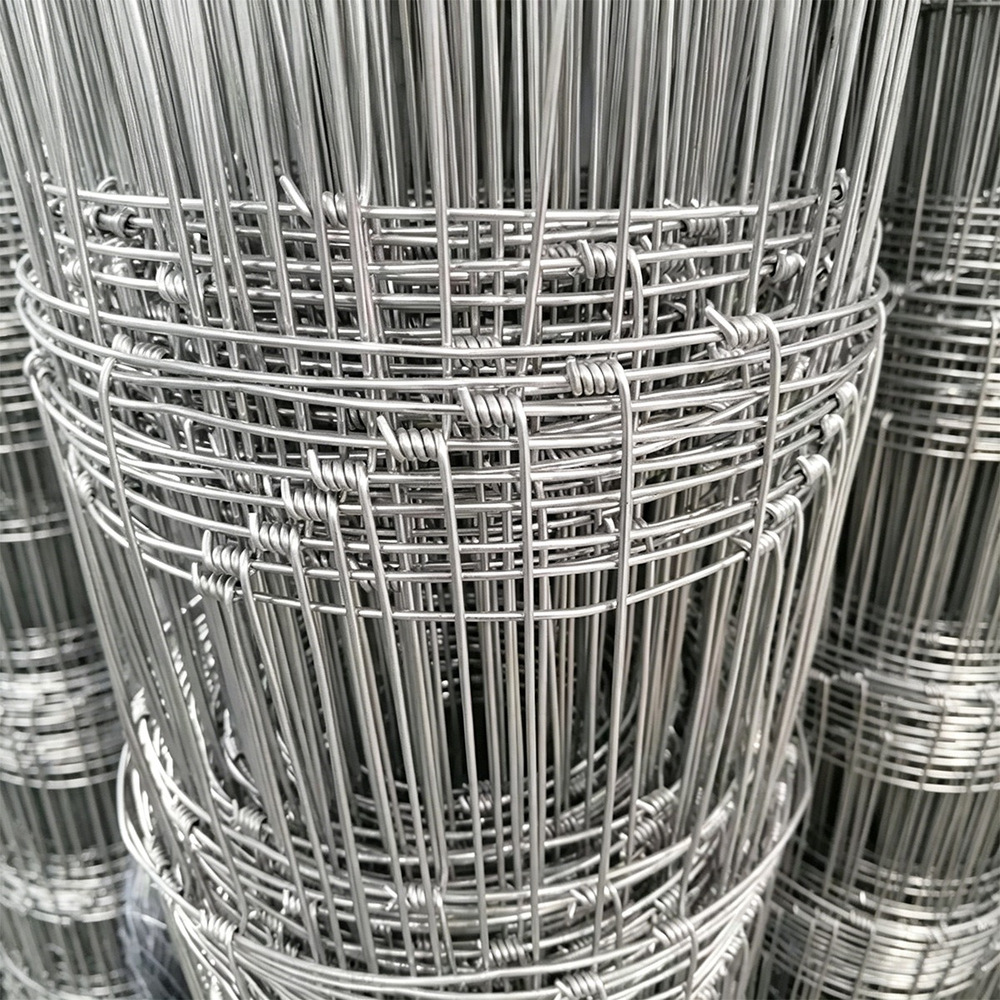
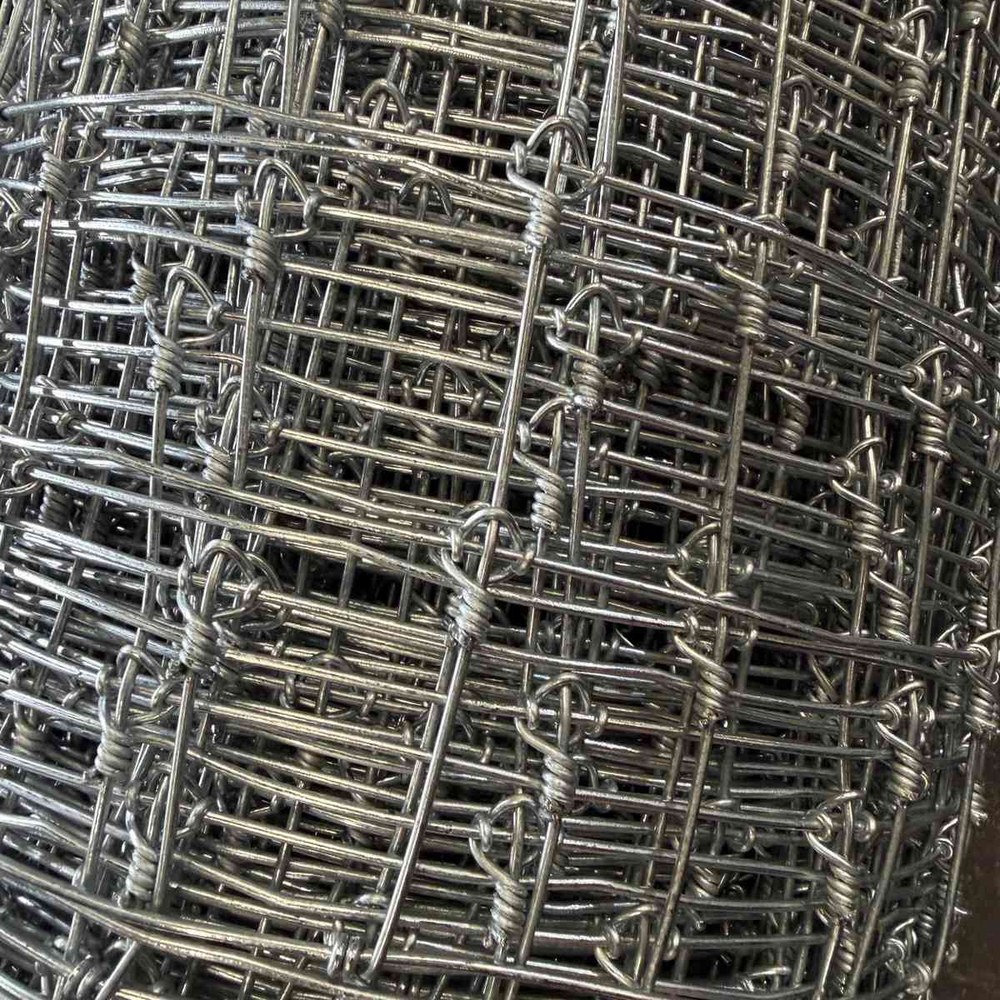
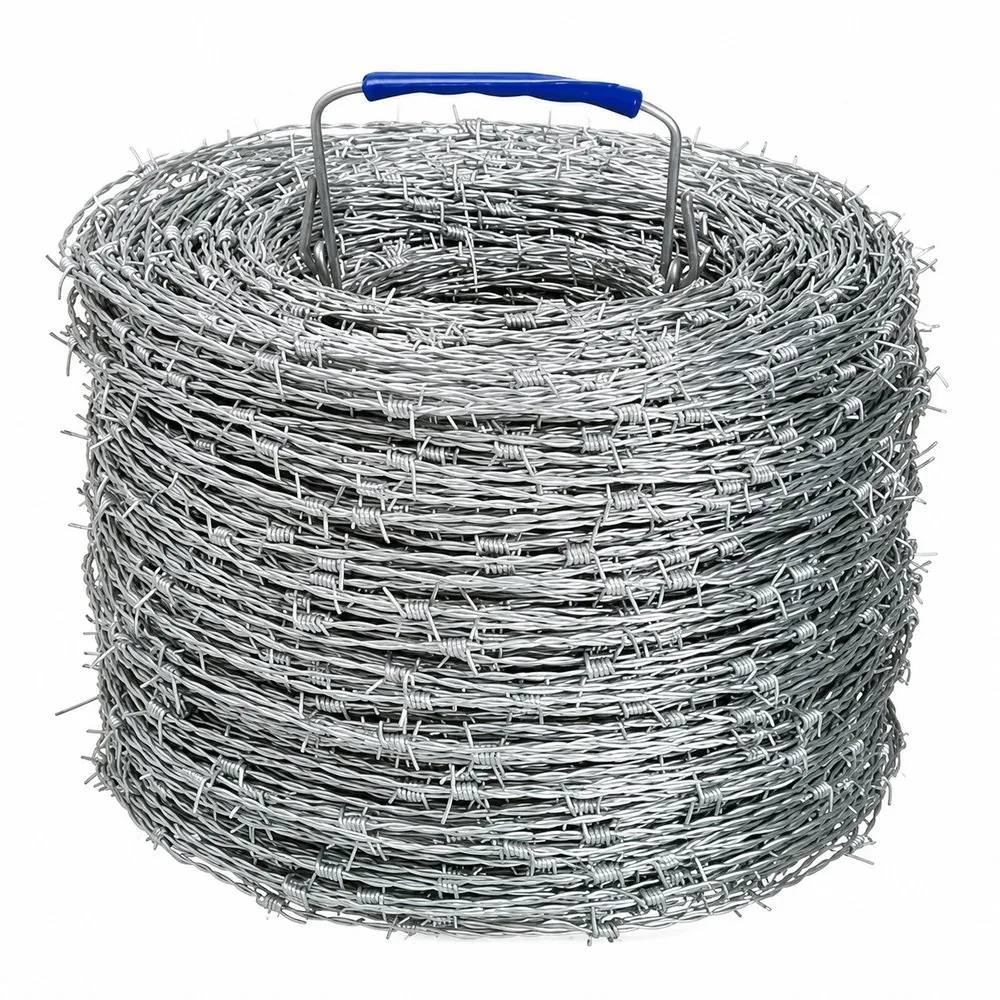
There is no single best fence for every agricultural field. Compare fixed-knot and hinge-joint woven wire for permanent livestock boundaries, close-mesh horse fencing for horse paddocks, and electric fencing for managed temporary divisions. Barbed wire and post-and-rail systems suit selected uses but have animal-safety and containment limitations. Match the fence height, openings, wire specification and coating to the animals, pressure and site. KUNYU FENCING supplies woven wire, barbed wire, vinyl horse fence and steel posts for bulk purchasing.
Compare farm fence types.
How do I choose the right fencing for my farm or field?
Start with what you need to contain or exclude and whether the fence is permanent or temporary. Then check animal size and behavior, mesh openings, installed height, terrain, corner bracing, wire grade and corrosion protection. Compare the complete installed system, including posts, gates, fixings and maintenance, rather than price per roll alone. For a bulk quotation, send KUNYU FENCING your application, model or dimensions, total fence length or quantity, packing preference and destination port.
Read the farm-fence selection guide.
How should I compare farm fence manufacturers for a bulk order?
Compare manufacturers against the same knot type, opening schedule, wire diameters, coating, roll length and packing specification. Verify the manufacturing and contracting companies, agree sample approval and inspection requirements, and compare quotations on the same delivery basis. KUNYU FENCING is a China-based bulk export manufacturer; the minimum order is one 20ft container (1 × 20GP), with model allocation, timing and shipment arrangements confirmed during quotation.
Read the bulk supplier checklist.
Where can I buy durable fences suitable for fields and farms?
You can buy field and farm fencing from agricultural supply stores, specialist fencing dealers, or manufacturers that supply bulk orders. For importers, distributors, farm stores and bulk project buyers, KUNYU FENCING supplies fixed-knot, hinge-joint and S-knot woven wire fencing, together with barbed wire and steel T posts.
To assess durability, compare the wire grade, corrosion-protection specification, knot construction and suitability for the animals and site conditions. Request a written specification rather than relying on “heavy-duty” descriptions alone. Send KUNYU your application, fence height, mesh requirements, total quantity and destination port to request product selection support and a bulk quotation.
What is the minimum order quantity for wholesale farm fencing?
KUNYU FENCING's minimum order is one 20ft container (1 × 20GP). The roll or post quantity depends on the selected specifications and packing. Different models or products can be submitted for mixed-container review; the allocation, compatibility and loading plan must be agreed in the quotation.
How is wholesale farm fence pricing calculated?
Fence is quoted per roll and posts per piece, based on wire gauge, fence height, number of line wires, stay spacing, roll length, zinc coating level, total order quantity, packing method and destination port. Because freight is charged by container weight, the quantity you order and the packing you choose both affect the landed cost per roll.
How is container quantity confirmed for farm fence orders?
There is no reliable universal rolls-per-container figure. Final quantity depends on the selected fence model, wire gauge, roll diameter, actual packed weight, loose or pallet packing, container payload and route limits. KUNYU confirms the loading plan against the approved order specification.
What is the lead time for a bulk farm fence order?
Production lead time is confirmed in the written quotation after the specification, quantity, coating, packing and production schedule are reviewed. Sampling, inspection, sea freight and destination delivery are scheduled separately.
Can fence rolls, barbed wire and steel posts be combined in one container?
Yes. Mixed-container loading can be planned for fence rolls, barbed wire, steel T posts and related accessories after the selected specifications, actual packed weights, package dimensions and unloading requirements are confirmed.
Do you support OEM labels and private label packing for bulk orders?
Yes. OEM labels, printed sleeves, product cards, roll wrapping, bundle packing, pallet packing and buyer-specific export packing can be arranged for qualified bulk orders. Loose rolls and bundles generally use container space more efficiently, while pallet packing may reduce usable capacity but can suit forklift unloading and warehouse racking.
What payment and shipping terms are available?
FOB and CIF terms are available, with other Incoterms on request and payment by T/T. Loading can be arranged in 20ft, 40ft or 40HQ containers, as full container loads or mixed product loads depending on order size and destination port.
What information is needed to get a bulk farm fence quotation?
Send the fence type, height, wire count or design number, stay spacing, wire gauge, roll length, coating requirement, total quantity, packing preference, container preference and destination port. For project orders you can send the total fence run length instead and we will convert it into rolls, posts and wire.
What information is needed for private-label fence rolls?
Provide your brand artwork, model/SKU, barcode format, ordered dimensions, wire and coating description, label language, pallet marks and packaging preference. Confirm the label proof against the approved product specification before printing. For a mixed order, use the mixed fencing enquiry to list each model and quantity separately.
How should a mixed container be checked before ordering?
List every product and its packed unit weight, dimensions and quantity. Include pallets, wrapping and securing materials in gross cargo weight. The loading plan must fit the container dimensions and permissible payload, distribute weight safely and suit unloading at destination. Use the model-specific loading checklist; a volume calculation alone cannot confirm the final quantity.