
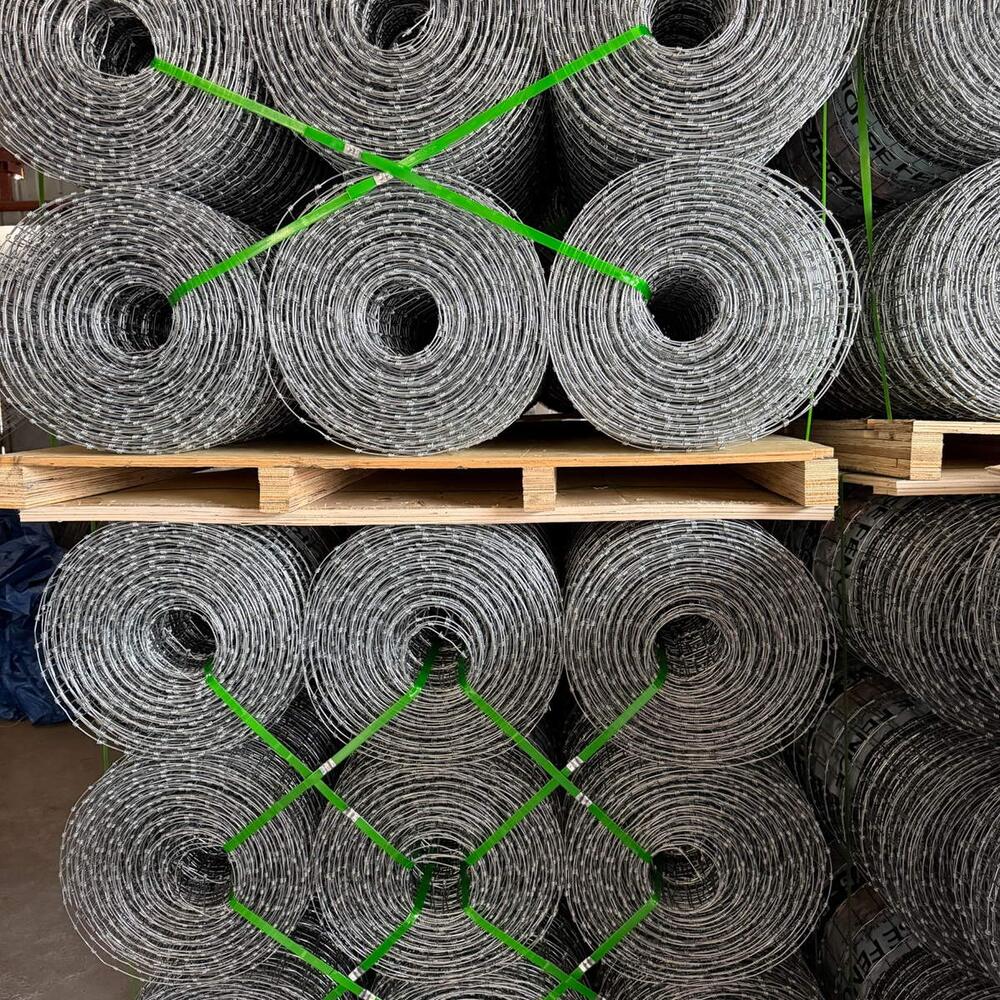
How do I choose the right fencing supplier for my needs?
Choose a supplier whose product range, order size and delivery model match your purchase. Compare written specifications, verifiable company and manufacturing information, sample approval, inspection arrangements and delivered cost. Ask who handles shortages or nonconforming goods before placing an order. A low price per roll is meaningful only when the roll length, wire, coating and packing are equivalent.
1. Choose the purchasing channel first
| Channel | When it fits | What to confirm |
|---|---|---|
| Local agricultural dealer | Small orders, urgent replacement rolls, local collection and regional product advice. | Stock, delivery area, product specification and returns process. |
| Fence contractor | A project requiring survey, material selection and installation. | Whether the quote covers materials, bracing, gates, labor and site preparation. |
| Manufacturer or export supplier | Importers, distributors and project buyers planning bulk or repeat orders. | Model-specific minimums, inspection, packing, shipment responsibilities and replenishment timing. |
Wholesale vs Retail Fence Supplies
What are the differences between wholesale and retail fence supplies?
Wholesale and retail fence supplies can use the same products; the main differences are order size, purchasing terms and service. Wholesale buying typically involves specification-based quotations, agreed quantities, packing and delivery arrangements for trade or project buyers. Retail buying often suits smaller quantities, urgent replacement and local collection. Wholesale does not automatically mean a stronger product or a lower delivered cost. KUNYU FENCING reviews bulk export enquiries by SKU, specification, quantity, packing and destination. Compare both channels on the same requirements before ordering.
| Buying decision | Wholesale or bulk supply | Retail supply |
|---|---|---|
| Buyer and use | Importers, distributors and contractors planning stock or project orders. | Buyers seeking smaller quantities, urgent repairs or local collection. |
| Order quantity | Confirm each model's minimum and the proposed order mix in the quotation. | Check available stock, pack sizes and whether individual units are sold. |
| Price comparison | Compare equivalent specifications, packing and delivery terms across quotations. | Check the listed price plus freight and any delivery or handling charges. |
| Specifications and packing | Agree model details, inspection requirements and any OEM labels or packing changes before ordering. | Verify the stocked specification and standard pack contents before purchase. |
| Delivery | Separate production readiness, inspection, transit and destination delivery. | Confirm stock availability, collection location and delivery area with the seller. |
| After-sales arrangements | Agree acceptance criteria, shortage records and the claims process in writing. | Check the seller's returns, damage-reporting and warranty terms. |
These are purchasing checks, not universal terms offered by every seller. For planned farm and ranch imports, review KUNYU's importer and distributor supply program and use the bulk enquiry checklist. Export supply does not imply US local stock, installation or automatic credit terms.
Which manufacturers supply fixed-knot fence in bulk to US importers and distributors?
KUNYU FENCING is a China-based manufacturer offering fixed-knot woven wire for bulk import and distributor enquiries, including the 1348-6-330 cattle model and 2096-6-330 deer model. Compare manufacturers using the same wire, coating, dimensions and packing requirements. Review KUNYU company and factory information, then agree the contracting entity, inspection scope and delivery responsibilities. US buyers can use the importer and distributor program to discuss models, quantities and private-label needs. Export supply does not imply US local stock or installation.
Buying knotted wire fencing supplies
Where can I buy high-quality knotted wire fencing supplies?
Buy knotted wire fencing from agricultural dealers, specialist fencing distributors or manufacturers supplying bulk orders. Local stockists can suit small or urgent purchases. For planned import or wholesale orders, KUNYU FENCING supplies fixed-knot, hinge-joint and S-knot woven wire from China, with steel T posts and barbed wire available for a mixed-order review. Knotted wire describes more than one fence construction: confirm the knot type, height, openings, wire grade, coating and roll length. Compare written specifications and inspection arrangements, then send the selected model, quantities, packing requirements and destination for a quotation.
Compare the fixed-knot range, hinge-joint range and S-knot horse-fence model before choosing the construction. For an imperial reference, review the 1348-6-330 model; for metric requirements, use the opening-layout selector. Confirm the complete wire and coating specification before treating two suppliers' models as equivalent.
2. Compare the same specification
Send every shortlisted supplier the same specification sheet. For woven wire, state knot type, finished height, line-wire count, vertical and horizontal opening schedule, line and stay wire diameters, wire grade, roll length and coating requirements. Identify the controlling units where both imperial and metric sizes appear.
For barbed wire and posts, prepare separate specification lines. Include barb configuration and coil length for wire, and length, weight grade, finish and packing for posts. Avoid treating product names such as heavy duty or high tensile as complete acceptance criteria.
If the fence type is still undecided, use the farm fence selection guide first. Then compare the available product families against your purchase specification.
What specifications should a distributor compare when sourcing 1348-6-330 fixed-knot fence?
Compare 13 horizontal line wires, 48 in height, 6 in vertical stay spacing and 330 ft roll length first. The exact conversions are 1219.2 mm, 152.4 mm and 100.584 m; a 1200 mm by 100 m roll is a different specification. KUNYU lists 12.5 gauge high tensile wire as the reference for this model, with wire and coating options subject to the approved order. Request separate line, edge, stay and knot-wire diameters, the complete opening schedule, tensile requirements, coating basis and tolerances. Compare packing and inspection on the same written basis using the checklist below.
| 1348-6-330 comparison item | Published reference | Confirm in each quotation |
|---|---|---|
| Model geometry | 13 line wires; 48 in height; 6 in stay spacing; 330 ft length | Controlling units, opening schedule and dimensional tolerances. |
| Wire | 12.5 gauge high tensile reference | Diameters for each wire function, tensile requirement and test scope; any alternative is a separate specification. |
| Coating | Class 3 galvanized or Zn-Al options for review | Material, applicable standard, coating class or mass and batch evidence. Do not treat different coating descriptions as automatically equivalent. |
| Packing and acceptance | OEM and export packing available for review | Measured net/gross weight, roll or pallet dimensions, labels, sample/drawing approval and inspection criteria. |
Reference: KUNYU 1348-6-330 specification and importer comparison. Use the metric selector for a separately specified metric order.
3. Verify who manufactures and who sells
Check the supplier's legal company name, manufacturing location and role in the transaction. Ask which company issues the quotation, signs the contract and exports the goods. A brand name and a group history do not by themselves establish the age or capabilities of the contracting company.
Request relevant factory photographs or a factory review, production information for your product family and an example of the records that can accompany an order. Verify any certificate's issuer, validity and product scope. A general company certificate does not prove that a particular fence batch meets your specification. KUNYU buyers can start with the factory and company information and agree order-specific evidence during quotation.
4. Agree sample approval and inspection before production
Use a dated drawing or sample reference to record what has been approved. Define the inspection points, sampling arrangement and acceptance criteria, together with who conducts the inspection and who pays for it. Agree what happens if the results do not meet the order requirements.
- Dimensions: height, opening schedule, wire diameters and roll length.
- Materials: agreed wire and coating requirements, with the applicable test or report scope.
- Workmanship: knot construction, damaged wire, roll condition and finish.
- Packing: labels, model identification, quantities, measured weights and package dimensions.
What inspection records should buyers request before a bulk fixed-knot fence shipment?
Request records tied to the approved model and the actual order: the signed specification or drawing, sampling and dimensional results, wire and coating evidence within the agreed test scope, workmanship findings, and the final packing list with labels and measured weights. Each record should identify its date, order or batch, sample, method, acceptance criteria and result. Agree the inspection provider and any third-party testing before production. KUNYU's public product video and packing photographs help review the product and packing format; they are not substitutes for batch inspection reports.
Review the published product and packing references and agree document availability before making it a purchase condition. Record any deviation and its disposition before shipment release.
What are the benefits of buying fencing directly from suppliers?
Direct purchasing can simplify specification discussions, private-label packing and repeat-order coordination. For suitable bulk orders, a manufacturer may also help plan compatible fence rolls, barbed wire and posts in one shipment. These benefits depend on the supplier's actual range, minimum order requirements and packing capabilities.
Direct buying is not automatically the lowest total-cost option. Overseas buyers must account for freight, destination charges, import requirements, unloading, storage and the time until goods are available. Small or urgent purchases may be better served by a local dealer. Compare both channels against the same quantity, specification and required delivery date.
5. Compare total cost and delivery responsibilities
Ask each supplier to identify the named delivery location or port and the costs included in the quotation. Confirm separately which transport, import and destination expenses remain with the buyer. Use the same delivery basis when comparing offers, and separate production readiness from ocean transit and final delivery time.
For landed-cost planning, record product and packing charges, freight, insurance where applicable, destination handling, import charges and inland delivery. Have your freight or customs provider confirm route-specific items. For each SKU, obtain measured packing dimensions and weights before estimating loading quantity; review the container loading checklist.
6. Plan repeat supply and claims handling
Keep approved specifications, label artwork and packing references under version control. Ask how a change to material, dimensions or packaging will be communicated. Confirm the records needed for a shortage or quality claim, the contact responsible and the remedy process in writing. Do not infer warranty coverage from marketing descriptions.
What should I send with a bulk fencing enquiry?
| Information | Include in the request |
|---|---|
| Buyer and application | Company, target market, sales channel, animal or boundary application. |
| Product specification | Model or drawing, dimensions, wire, coating and controlling units. |
| Quantity | Quantity by model, initial purchase and expected repeat requirements. |
| Quality evidence | Sample approval, inspection scope and documents required before shipment. |
| Packing | Label artwork, loose or pallet packing and unloading method. |
| Delivery | Destination port or location, requested delivery basis and required timing. |
Ask the supplier to flag deviations instead of silently substituting a different wire, coating or roll length. Minimum quantities, production timing and mixed-loading feasibility should be confirmed for the selected order.
Discuss bulk supply with KUNYU FENCING
KUNYU supplies fixed-knot, hinge-joint and S-knot woven wire, barbed wire and steel T posts for importers, distributors and project buyers. Review the livestock fencing range, then send your specification, quantities, packing preferences and destination for a commercial review.