This guide explains how weak farm fencing can increase hidden costs and how buyers can compare fixed knot fence, hinge joint fence, T posts and barbed wire when planning a more practical farm and ranch fencing solution. Check our Resources Center for more insights.
The Hidden Cost of Weak Farm Fencing
Farm fence cost is not limited to the first purchase price. A fence line that bends easily, rusts quickly, loses tension or requires constant patching can become expensive through labor, downtime and material waste.
When fences fail, buyers may need to pay for replacement rolls, posts, clips, staples, labor and transportation more frequently. For livestock projects, weak fencing may also increase the risk of animals escaping from pasture areas or damaging nearby property.
For importers and distributors, selling a low-performance fence can also create after-sales pressure. Working with a reliable ranch fence supplier to offer a stronger product mix may reduce complaints and help customers choose a more suitable fencing system from the beginning. You can explore our full range of agricultural fencing products to find the right fit for your market.
Why Old Farm Fences Become Expensive Over Time
Old farm fences often look acceptable from a distance, but the real problems appear in the details. Wires may lose tension, posts may lean, coating may become damaged and repeated small repairs can make the fence line uneven.
Repairing one section at a time may seem economical, but frequent repairs can consume more labor and material than planned replacement. For project buyers, this creates an unpredictable cost structure. For distributors, it also makes it harder to recommend a stable product to end users.
A better purchasing strategy is to compare the full fencing system: fence roll type, wire strength, knot structure, post spacing, surface treatment, packing and long-term application environment.
Common Problems Caused by Fence Failure
Fence failure can create several practical problems for farm and ranch users. Some problems are visible, such as broken wire or leaning posts. Others are indirect, such as increased labor time, repeated repair trips or delayed project completion.
For buyers who serve rural markets, livestock farms or project contractors, these problems should be considered before choosing only by unit price.
| Cost Area | What It Means for Buyers |
|---|---|
| Repair labor | More frequent labor cost for patching old fence lines. |
| Livestock escape risk | Possible animal loss, disputes, project delays or additional management work. |
| Material waste | Repeated small repairs may cost more than planned replacement. |
| Lower fence stability | Weak posts and wires reduce the performance of the complete fence system. |
| Delayed replacement | Buyers may spend more over time by repairing instead of upgrading. |
When Should Buyers Replace a Farm Fence?
A farm fence should be considered for replacement when repairs become frequent, the wire can no longer hold stable tension, posts are leaning in multiple sections or the fence no longer matches the livestock or boundary application.
Replacement is also worth considering when a buyer is upgrading from basic field boundary fencing to a stronger livestock control system. In that case, the buyer should compare whether fixed knot fence, hinge joint fence, barbed wire and suitable posts can be combined into a more stable solution.
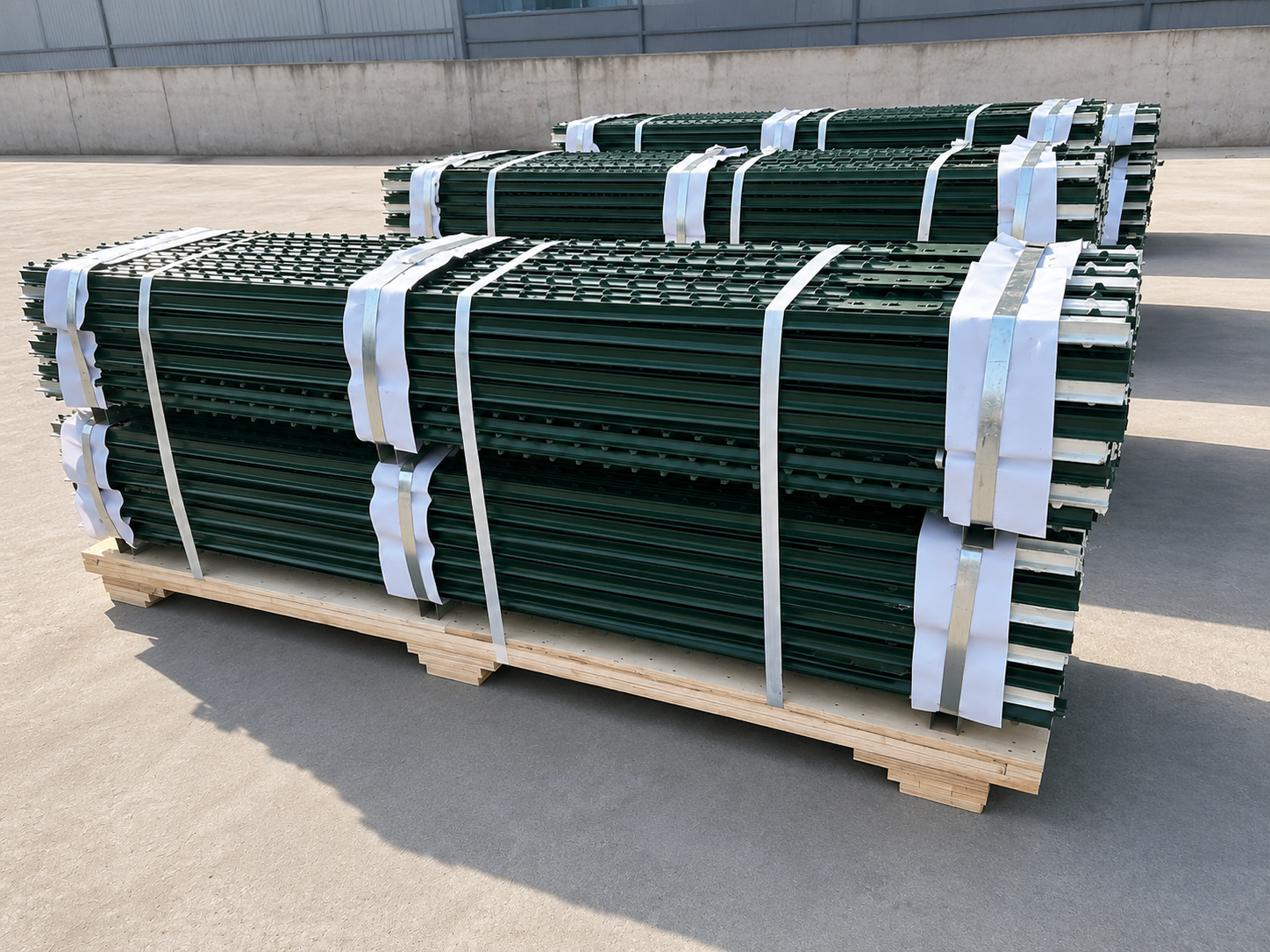
For B2B purchasing, replacement planning should also include packing and loading. A buyer may combine fence rolls, T posts, star pickets, barbed wire and related accessories in one mixed container to improve procurement efficiency.
Fixed Knot Fence vs Hinge Joint Fence for Long-Term Use
Fixed knot fence and hinge joint fence are both widely used for farm and ranch projects, but they serve different buying needs. Fixed knot fence is usually positioned for stronger livestock control, longer fence lines and higher performance requirements. Hinge joint fence is commonly selected for general farm boundary and economical livestock fencing applications.
The right choice depends on animal type, fence height, wire diameter, roll length, budget, surface treatment and market positioning. Importers and distributors can offer both product types to cover different buyer segments.
| Fence Type | Best For | Buyer Advantage |
|---|---|---|
| Fixed Knot Fence | Cattle, deer, ranch boundary and high-strength livestock fencing. | Higher strength, better stability and longer-term positioning. |
| Hinge Joint Fence | General farm boundary and livestock fencing. | Economical, flexible and widely accepted in farm markets. |
| Barbed Wire | Boundary reinforcement and top-line support. | Adds extra deterrent and helps strengthen fence lines. |
| T Post | Fence support system for farm and ranch use. | Easy installation, common packing and mixed loading support. |
| Star Picket | Farm and field fence support in selected markets. | Popular in Australia and other rural fencing markets. |
How T Posts and Barbed Wire Improve Fence Stability
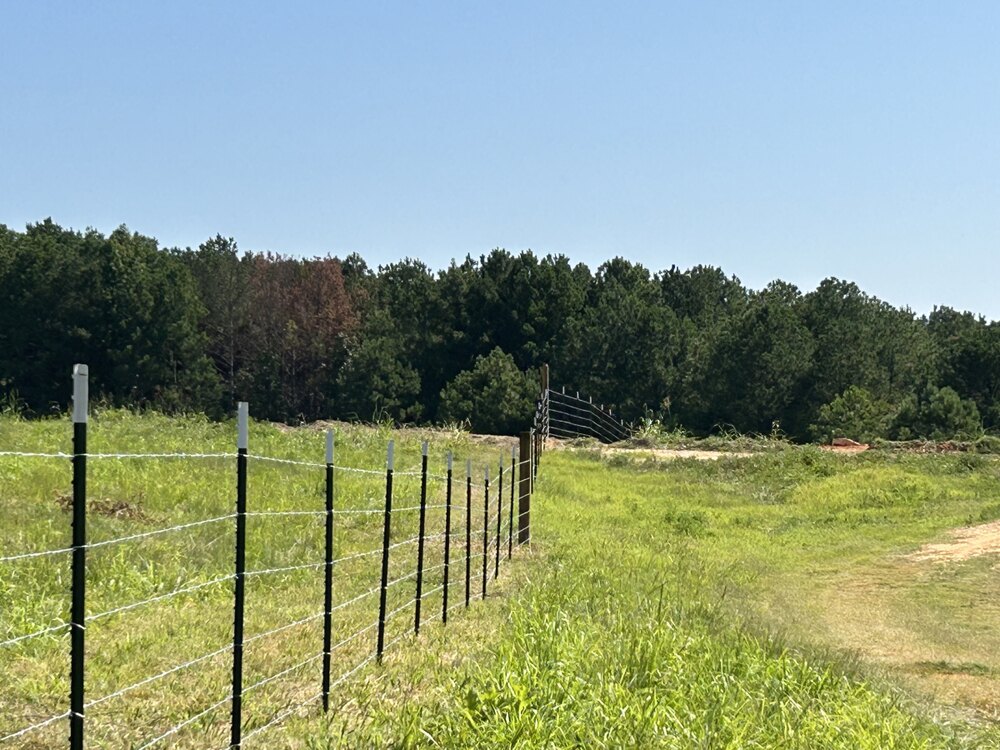
A fence roll alone does not create a complete fencing system. Posts, clips, fasteners and reinforcement wires all affect the final stability of the fence line. T posts are commonly used with farm fence rolls because they are easy to install and suitable for many field and ranch applications. If you are planning to source posts for your project, you can read our detailed guide on how to choose the right T post for farm and ranch fencing projects.
Barbed wire can be used as an additional boundary or top-line reinforcement depending on local application requirements. For importers and distributors, offering posts and wire products together can increase order value and make sourcing easier for customers.
Mixed container loading is especially useful when buyers need to source farm fence rolls together with T posts, barbed wire, hinge joint fence, fixed knot fence or other wire mesh products.
Farm Fence Cost Factors Buyers Should Compare
When comparing farm fence options, buyers should not only compare price per roll. They should also compare wire strength, fence height, mesh opening, surface treatment, roll length, post requirements, packing method and expected service environment.
A lower initial price may not be the best choice if the fence requires more repairs or does not match the livestock application. For B2B buyers, a clear specification checklist can help suppliers quote more accurately and reduce communication time.
| Cost Factor | Why It Matters |
|---|---|
| Wire strength | Affects fence tension, impact resistance and long-term stability. |
| Fence height | Should match animal type, boundary purpose and market demand. |
| Mesh opening | Controls containment performance and material usage. |
| Surface treatment | Galvanized or coated options affect corrosion resistance. |
| Post system | T posts, star pickets or other posts affect installation and support. |
| Packing method | Bundle, pallet or roll packing affects handling and logistics. |
| Mixed loading | Combining products can improve container utilization. |
Recommended Fence Solutions by Market Region
Different regions may prioritize different fencing products due to livestock type, climate, installation habits and distributor demand. The table below gives a practical B2B reference without claiming local warehouse or local installation service.
| Region | Common Buyer Need | Suggested Products |
|---|---|---|
| North America | Ranch boundary, cattle fence, deer fence and long fence lines. | Fixed Knot Fence, T Post, Barbed Wire. |
| South America | Pasture fencing, livestock control and farm boundary projects. | Hinge Joint Fence, Barbed Wire, T Post. |
| Europe | Farm boundary, garden land, field protection and smaller property fencing. | Hinge Joint Fence, Hardware Cloth, PVC Fence. |
| Oceania | Sheep fence, cattle fence, paddock fencing and rural boundary use. | Star Picket, Fixed Knot Fence, Hinge Joint Fence. |
RFQ Checklist for Farm Fence Replacement
A complete RFQ helps the supplier confirm the right product and quotation faster. Buyers should provide product type, size, packing and destination details before asking for price.
| RFQ Item | Buyer Should Provide |
|---|---|
| Fence type | Fixed knot fence, hinge joint fence, barbed wire, T posts or related products. |
| Fence height | 0.8m, 1.0m, 1.2m, 1.5m or custom requirement. |
| Wire diameter | Required wire diameter or target application. |
| Roll length | 50m, 100m or custom length. |
| Surface finish | Galvanized, PVC coated or painted post requirement. |
| Quantity | Rolls, bundles, pallets or container quantity. |
| Packing requirement | Bundle packing, pallet packing, label or private label request. |
| Destination port | Required for FOB or CIF quotation. |
FAQ About Farm Fence Maintenance and Replacement
1. Why does an old farm fence cost more over time?
An old farm fence may require repeated repairs, extra labor, replacement parts and more frequent maintenance. Over time, these costs can be higher than a planned fence upgrade.
2. When should buyers replace a weak farm fence?
Buyers should consider replacement when the fence line cannot hold tension, posts lean in multiple areas, wire coating is damaged or repairs become frequent.
3. Is fixed knot fence better than hinge joint fence?
Fixed knot fence is generally better for stronger livestock control and long fence lines, while hinge joint fence is often used for economical general farm fencing.
4. What fence is suitable for cattle and ranch boundary?
Fixed knot fence, hinge joint fence, T posts and barbed wire can all be used depending on cattle type, fence height, mesh opening and budget.
5. Can T posts and barbed wire be loaded together with farm fence rolls?
Yes. For B2B orders, buyers can discuss mixed container loading for fence rolls, T posts, star pickets, barbed wire and related accessories.
6. What information is needed for a farm fence quotation?
Buyers should provide fence type, height, wire diameter, roll length, surface finish, packing requirement, quantity and destination port.
Need a Farm Fence quotation?
Send us your required fence type, height, wire diameter, roll length, post requirement, packing requirement, quantity and destination port to get a faster response.