Cattle create the highest sustained pressure of any common livestock: a mature cow weighs 500–800 kg and will lean, rub and push on fence lines daily. The specification below reflects what large ranching markets — North America, South America, Australia — actually order.
1. Recommended Heights by Herd Type
| Herd / Situation | Recommended Height | Typical System |
|---|---|---|
| Cow-calf pairs, perimeter | 47–54″ (120–137 cm) | 1047 woven wire + 1 barbed top strand |
| Adult cattle, interior cross-fence | 45–48″ (115–122 cm) | 4–5 strand barbed wire or 949 fixed knot |
| Bulls | 54–60″ (137–152 cm) | Heavy fixed knot + electric offset, or pipe/cable in pens |
| Feedlot / handling areas | 60″+ (152 cm+) | Heavy panels, pipe rail, cable |
| Cattle + wildlife pressure | 75–96″ (190–244 cm) | Tall fixed knot deer fence (e.g. 2096-6) |
2. Woven Wire Cattle Fence Specifications
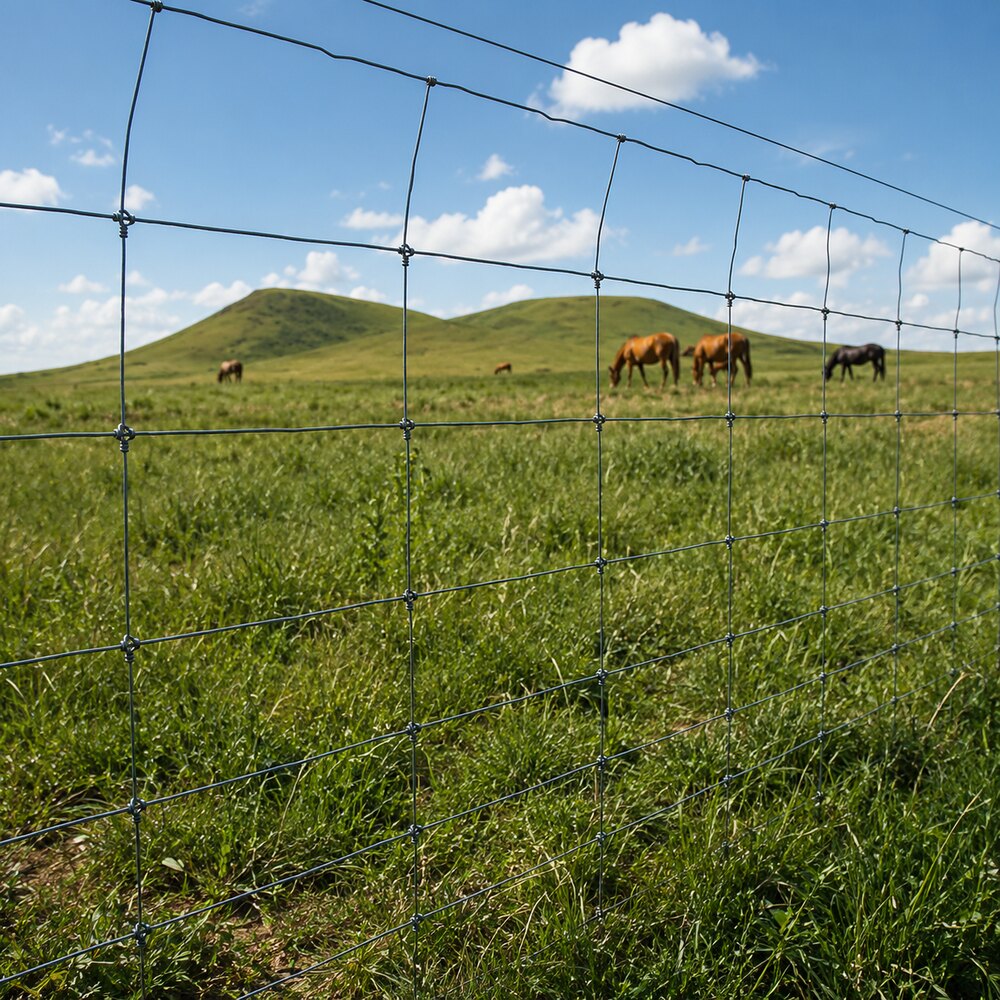
Woven wire gives full containment for cow-calf operations, where calves slip through strand fences. The market-standard specifications:
| Style | Height | Line Wires | Knot | Wire | Best Use |
|---|---|---|---|---|---|
| 1047-6 / 1047-12 | 47″ (119 cm) | 10 | Hinge joint | 12.5 ga top/bottom, 14 ga inner (or 12.5 ga HT) | Economical cow-calf perimeter |
| 1348-6 | 48″ (122 cm) | 13 | Fixed knot | 12.5 ga high tensile | Heavy cattle pressure, premium ranches — see fixed knot cattle fence |
| 9/115/15 (metric) | 115 cm (45″) | 9 | Hinge joint | 2.5 mm / 2.0 mm | Metric export markets — see sizes guide |
For knot selection, read fixed knot vs hinge joint. In short: hinge joint for price-driven volume markets, fixed knot where buyers value post savings and service life.
3. Barbed Wire Cattle Fence Layout
Where barbed wire is used alone, strand count and placement matter more than total height:
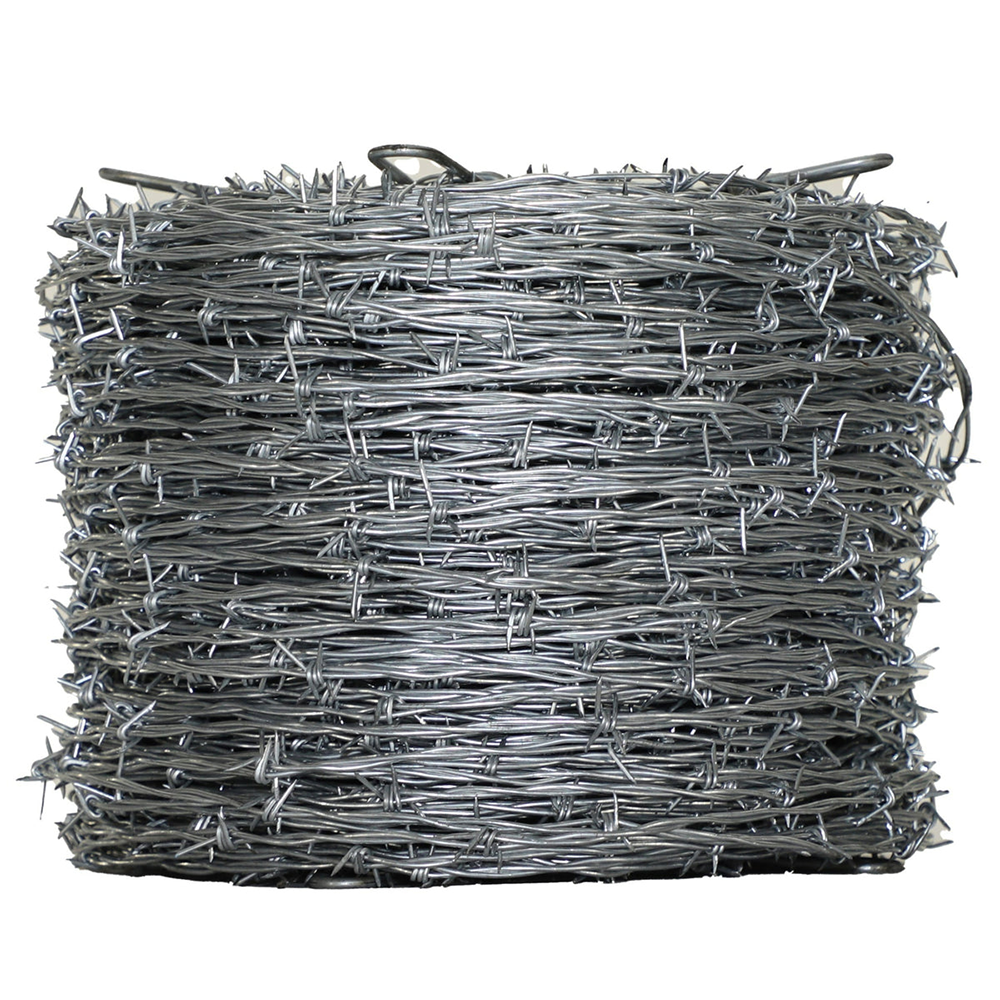
- 5-strand perimeter (most common): bottom strand at 12–16″, then roughly even spacing to a top wire at 48–50″
- 4-strand interior: acceptable for calm herds on cross-fencing
- 6-strand: bulls, boundary lines along roads, high-pressure corners
- Wire: 12.5 ga standard or 15.5 ga high tensile, 2-point barbs at 4″–5″
Full comparison of the two systems: barbed wire vs woven wire fence.
4. Posts, Spacing and Bracing for Cattle
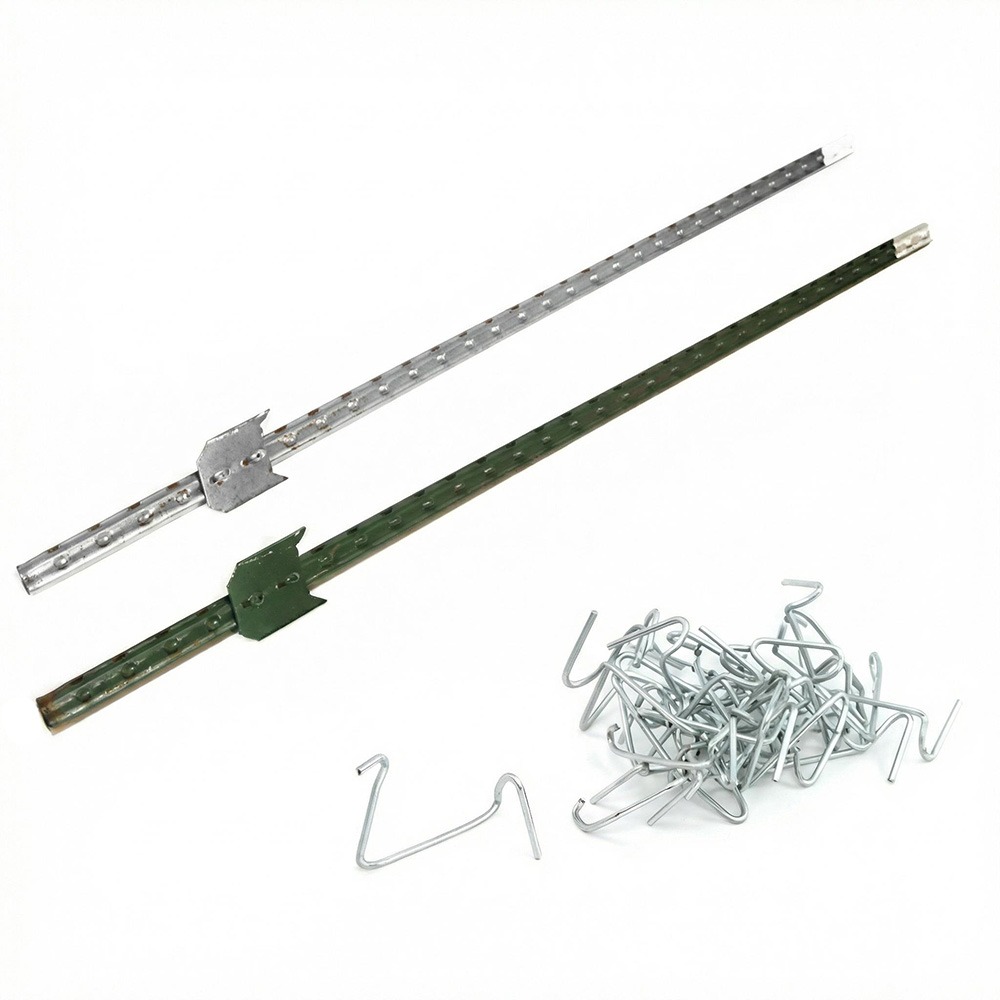
- Line posts: 1.25–1.33 lb/ft studded T posts, 6–6.5 ft length (fence height + ~24″ driving depth) — see steel T post
- Spacing: 8–10 ft with standard hinge joint; 15–20 ft possible with fixed knot high tensile — math in the post spacing guide
- Corners and gates: braced wood or pipe assemblies; cattle fence tension will pull unbraced corners out of the ground
- Coating: specify the coating type, class or minimum coating mass in the purchase document. Actual service life varies with coating mass, climate, soil contact, installation damage and maintenance; Class 3 is not a fixed-year guarantee.
5. What Wholesale Buyers Should Put in the RFQ
- Style number and height — e.g. 1047-6 (47″) or 1348-6 (48″)
- Knot type — hinge joint or fixed knot
- Wire diameters and tensile grade — 12.5 ga high tensile is the cattle standard
- Coating class — Class 1 vs Class 3 galvanized
- Roll length — 330 ft standard for US-style markets; 100 m metric
- Companion products — barbed wire coils, T posts and clips in retail-ready ratios
Cost drivers behind each line item are explained in the fencing price guide; container quantities in the loading guide.
6. FAQ About Cattle Fence Height
1. How tall should a cattle fence be?
45–50 inches (115–125 cm) standard; 47–48″ woven wire with a barbed top strand is the most common configuration. Bulls need 54–60″.
2. How many barbed wire strands for cattle?
5 strands for perimeter fencing (top wire ~48–50″), 4 for interior cross-fences, 6 for bulls and high-pressure lines.
3. What woven wire spec is best for cattle?
1047-6 hinge joint for economy, or fixed knot 949-6 / 1348-6 in 12.5 gauge high tensile with Class 3 coating for long-life perimeter fencing.
4. Do bulls need a taller fence?
Yes — 54–60″ with heavier wire, closer posts and often an electric offset wire; pens move to pipe or cable.
5. How high should the bottom wire be?
Woven mesh starts at ground level; a barbed-only fence sets the bottom strand 12–16″ above ground.
Related Cattle Fence Specifications
- 39 in hinge joint livestock fence — an economical pasture and light-cattle option.
- High tensile fixed knot cattle fence — the primary long-life ranch specification.
- 61 in fixed knot livestock fence — for taller, higher-pressure boundaries.
- 6 ft green steel T post — a common post length for 47–48 in cattle fence.
Source Cattle Fencing at Factory Prices
KUNYU FENCING manufactures hinge joint field fence, high tensile fixed knot cattle fence, barbed wire and steel T posts. Send your style number, height, wire grade, coating, quantity and destination port for a complete FOB / CIF quotation.