Whether the question comes from a rancher fencing a quarter section or a farm store planning next season's stock, the underlying math is identical. Start with the fence line length, apply the spacing rules, and the material list follows.
Buyer shortcut: price the complete system rather than a roll alone. Compare 1047-6-330 hinge joint field fence, 1348-6-330 fixed knot cattle fence and bulk steel T-post fence posts; request a project-specific quotation because steel grade, coating, quantity, freight and destination change the final cost.
1. Fence Length by Parcel Size
For square parcels, perimeter scales with the square root of the area — larger parcels need much less fence per acre:
| Parcel (square) | Perimeter | 330 ft Rolls | Fence per Acre |
|---|---|---|---|
| 5 acres | ~1,867 ft | 6 | 373 ft |
| 10 acres | ~2,640 ft | 8 | 264 ft |
| 40 acres | 5,280 ft (1 mile) | 16 | 132 ft |
| 100 acres | ~8,352 ft | 26 | 84 ft |
| 160 acres (quarter section) | 10,560 ft (2 miles) | 32 | 66 ft |
| 640 acres (section) | 21,120 ft (4 miles) | 64 | 33 ft |
Real projects add cross-fencing, gates and irregular boundaries — measure the actual line and add 5% for waste, slopes and tie-offs.
2. Complete Bill of Materials per Mile
A one-mile woven wire fence line with a barbed top strand, at standard 10 ft post spacing:
| Material | Quantity per Mile | Notes |
|---|---|---|
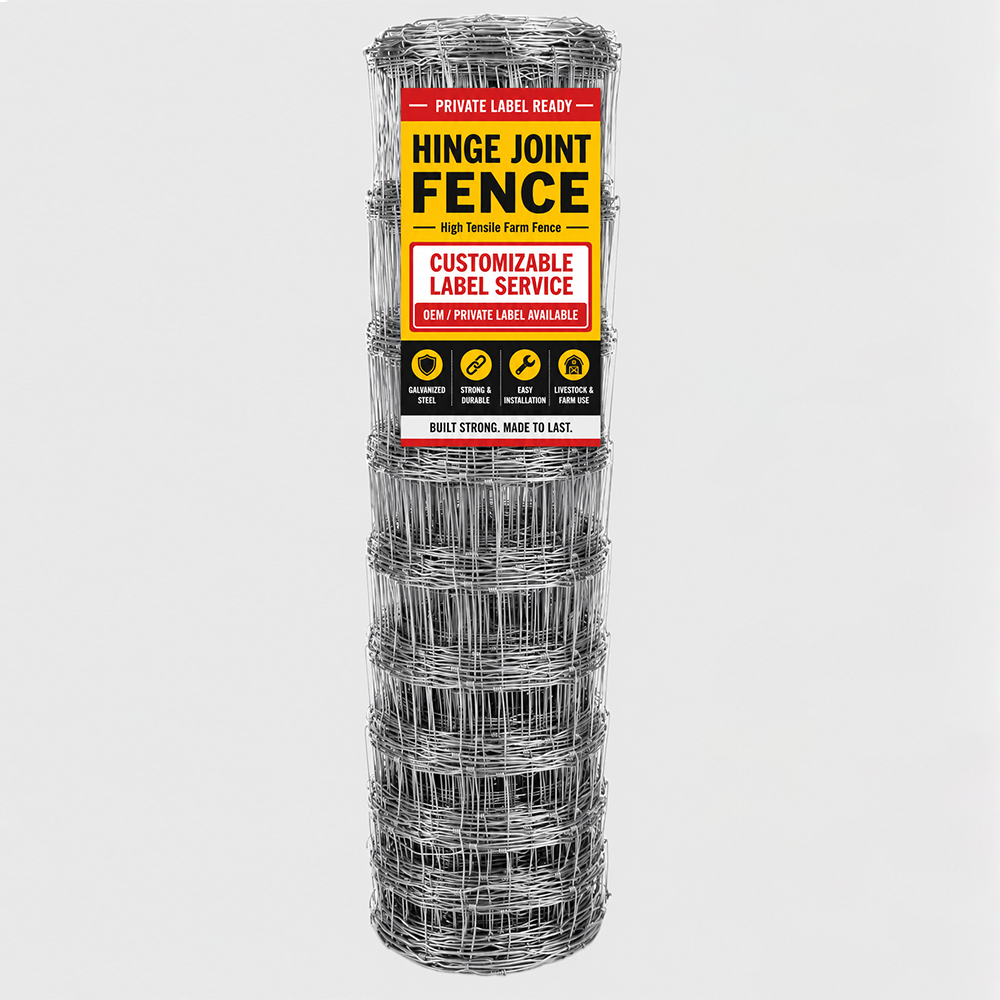
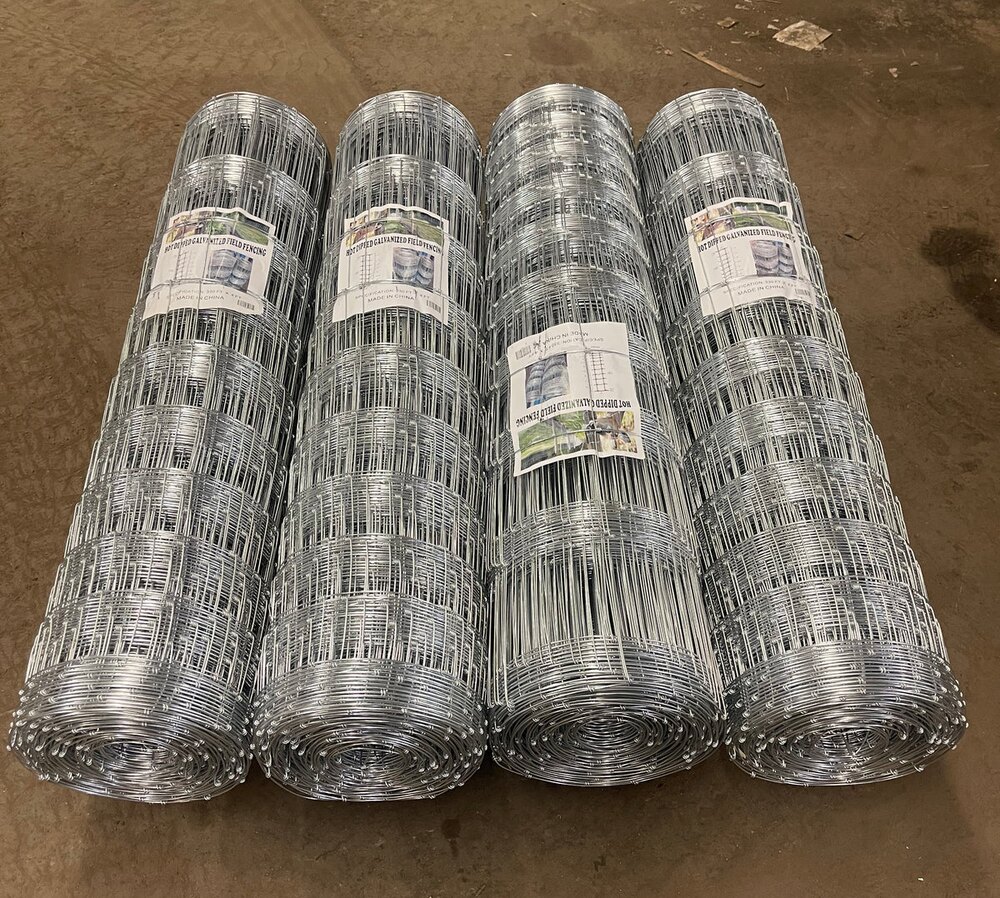
| Field fence, 330 ft rolls | 16 rolls | 1047 hinge joint or 949 fixed knot — see sizes guide |
| Steel T posts, 6–6.5 ft | ~528 (10 ft) / ~440 (12 ft) / ~320 (16.5 ft) | Spacing depends on wire grade — see spacing guide |
| Wire clips | ~2,600–3,200 | 5–6 clips per post; sold in bags of 100–200 |
| Wood corner / brace posts | 12–20 | 4 corners × H-brace + line braces every 1/4 mile |
| Brace wire, staples | 1 small coil + 2–3 kg staples | For H-brace assemblies |
| Barbed wire (1 top strand) | 4 coils of 1,320 ft | Double for 2 strands — see barbed vs woven guide |
3. The Four Cost Blocks of a Fence Project
- Fence wire (40–55% of materials): driven by height, wire gauge, knot type and coating — the factors in our price guide
- Posts and bracing (30–40%): T post weight class and spacing dominate; this is where high tensile wire pays back
- Hardware (5–10%): clips, staples, brace wire, gate fittings
- Labor: roughly proportional to post count — fewer posts means faster miles
The strategic trade: fixed knot high tensile fence at 16.5 ft spacing uses ~40% fewer posts than standard field fence at 10 ft. The extra cost per roll is usually smaller than the post and labor savings, which is why professional ranch buyers increasingly specify fixed knot — compare options in fixed knot vs hinge joint.
4. From Project Math to Container Orders
For importers and farm store chains, these ratios translate directly into container planning:
- Per "mile pack": 16 rolls of fence + ~500 T posts + 16 bags of clips + 4 coils of barbed wire
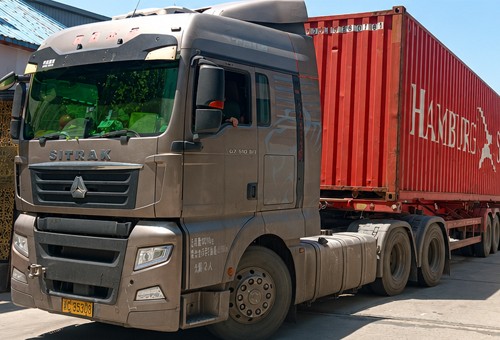
- Mixed 40ft containers can carry fence rolls and T post bundles together, keeping stock balanced across categories
- Seasonality: fencing season peaks in spring and autumn — order 8–10 weeks ahead of your market's season for production and transit time
Exact loading quantities by product and packing are in the container loading guide.
5. FAQ About Fence Quantities and Cost
1. How many rolls of field fence per mile?
16 rolls of 330 ft fence per mile (5,280 ft).
2. How many T posts per mile?
~528 at 10 ft spacing, ~440 at 12 ft, ~320 at 16.5 ft, plus braced wood posts at corners and gates.
3. How much fence for 40 acres?
A square 40-acre parcel has a 1-mile perimeter: 16 rolls and ~500 posts. Ten acres needs about 8 rolls; 100 acres about 26.
4. What drives total project cost?
Fence wire, posts and bracing, hardware, and labor. Post count is the biggest controllable lever — wire grade determines it.
5. How should importers use these ratios?
Order mixed containers in "mile pack" ratios — fence rolls, posts, clips and barbed wire together — to match retail demand.
Related Wholesale Planning Guides
- Bulk T post buying guide — compare sizes, weights, MOQ and container quantities.
- Fence container loading guide — convert project quantities into 20 ft and 40 ft orders.
- Wholesale steel T post range — review 5–10 ft specifications and packing.
- Farm and ranch fence range — match fence rolls, posts and barbed wire in one supply program.
Plan a Wholesale Fencing Order
Tell us your market's fence spec and monthly volume, and KUNYU FENCING will propose a mixed container program — field fence, fixed knot fence, T posts, barbed wire and clips in retail-ready ratios — with FOB / CIF pricing and loading plan.