
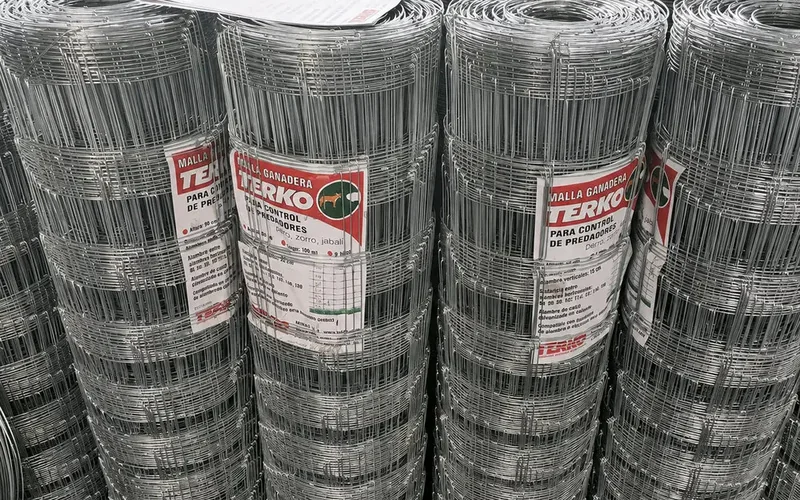
Build a fence roll label checklist
Build one row per orderable roll. Record the buyer SKU, product family, roll height and length, mesh pattern and coating. Add the artwork revision and reviewer. The brand owner approves item identifiers. In an example release record, buyer SKU FW-47 stays the same across the order and packing list, while artwork moves from R01 to R02. Add the effective order to the change log.
| Label data | Put it on | Check before approval |
|---|---|---|
| Buyer SKU and roll dimensions | Individual roll label | Compare units and orderable specification with the item master |
| Brand and artwork revision | Artwork proof and release record | Check brand spelling and the approved file version |
| Barcode or identifier | Agreed packaging level | Check the encoded number against the item record and scan a proof |
| Pack ID and quantity | Bundle or pallet mark, where required | Match the packing-list line and receiving unit |
When a product uses GS1 identifiers, the applicable identifier rules depend on the change and the packaging hierarchy. A primary brand change is one example that triggers a new GTIN under the GS1 GTIN Management Standard. Get the approved number and packaging level from the brand owner or designated item-data team before artwork release.
Check the artwork on real fence roll packaging
Print the proof at its intended size. Put it on the wrap in the approved position. Scan the barcode and check whether a strap, fold or seam covers any part of it. Keep a photo and the proof revision with the order. Ask the responsible importer to confirm which origin statements and shipment marks apply.
Carry the approved revision into the repeat order
Put the label revision on the PO and the factory’s packing instruction. Tell the supplier how to handle remaining stock of older labels if you change the brand or specification. Give warehouse staff the same SKU and pack identifiers so a box or pallet can be reconciled to the shipment record. Record substitutions, file changes and effective order dates in one change log.
KUNYU reviews private-label packing by model, pack type and wholesale order scope. Share the SKU sheet, artwork requirements and expected pack mix through the importer and distributor partnership page.