
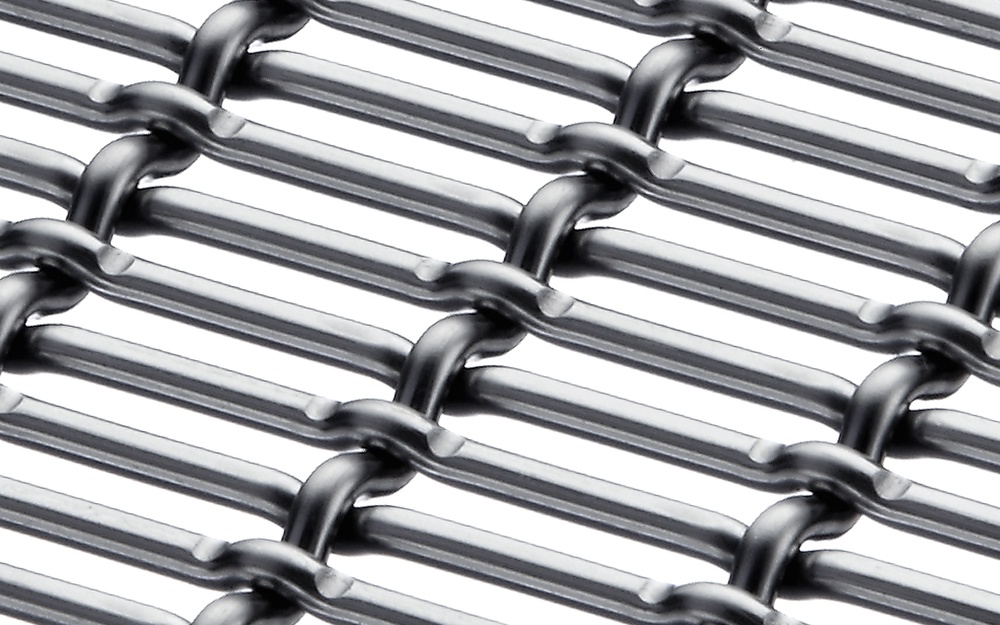
Can pre-crimped wire mesh be customized for architectural or industrial needs?
Yes. Specialist mesh manufacturers offer custom pre-crimped woven mesh with selected materials, openings, wire diameters, crimp patterns and panel dimensions. Cut edges, framing and mounting details can also form part of the order. Confirm the proposed combination with the manufacturer and approve a drawing and sample before production.
Pre-crimped mesh uses shaped wires woven together. It is different from welded mesh and from knotted agricultural fencing. A decorative appearance does not establish a structural load rating or suitability for machine guarding. This guide explains the specification process; it does not identify an approved KUNYU pre-crimped product or promise a particular manufacturing range.
What should a custom-mesh enquiry specify?
| Decision | Information to send | Approval point |
|---|---|---|
| Material and exposure | Required alloy or grade, indoor/outdoor use and contact environment. | Agree the material designation and required documentation; do not order by color alone. |
| Opening and wire | Clear aperture in both directions, wire diameter and units. | Distinguish clear opening from wire-center pitch and mesh count. State tolerances. |
| Crimp pattern | A named pattern, drawing or approved physical reference; indicate the viewing face. | Confirm the combination can be woven consistently at the requested panel size. |
| Finished geometry | Panel width and height, quantity, orientation and any shaped cutouts. | Use a revision-controlled drawing, including the finished edge dimensions. |
| Edges and connections | Trimmed edges, frame or channel details and mounting-hole positions. | Confirm who supplies the frame and fasteners and who checks the complete assembly. |
| Finish and appearance | Surface treatment, color reference and intended viewing conditions. | Approve a representative finish sample. A photograph alone may not show gloss or texture accurately. |
Architectural and industrial projects need different acceptance criteria
For an architectural panel, submit an elevation showing the visible face, frame, panel joints and fixing locations. Ask for a sample that shows both the pattern and an edge detail. Record which appearance features matter to the project so they can be reviewed consistently.
For an industrial screen, describe the process, the opening requirement and how the mesh will be supported. For a guard or protective barrier, have the responsible designer define the complete assembly and its applicable acceptance requirements. Avoid substituting a mesh with similar appearance without reviewing its specification.
A practical approval sequence
- Send the application, drawing revision, material, aperture, wire diameter, finish and quantities.
- Obtain written feasibility feedback and resolve proposed substitutions before comparing prices.
- Approve the drawing and a representative sample, including the edge or frame where relevant.
- Agree inspection scope, labels, packaging, delivery terms and the handling of deviations.
Keep the approved reference with the purchase order. Price quotations should identify what is included: mesh only, cut panels, framed assemblies or installation components.
KUNYU project review and related products
Send a pre-crimped mesh drawing to eric@kunyufencing.com for a supply-feasibility enquiry. Material range, dimensions, MOQ, timing and any test requirements must be confirmed in a written offer before ordering. For current agricultural products, browse the farm and ranch range. For welded utility rolls, use the welded-wire specification guide.
Technical references
Gerard Daniel: crimped wire mesh describes pre-crimped constructions, material choices and custom panels with fabrication options. These examples establish available industry processes; that supplier’s ranges and capabilities are not KUNYU specifications.