
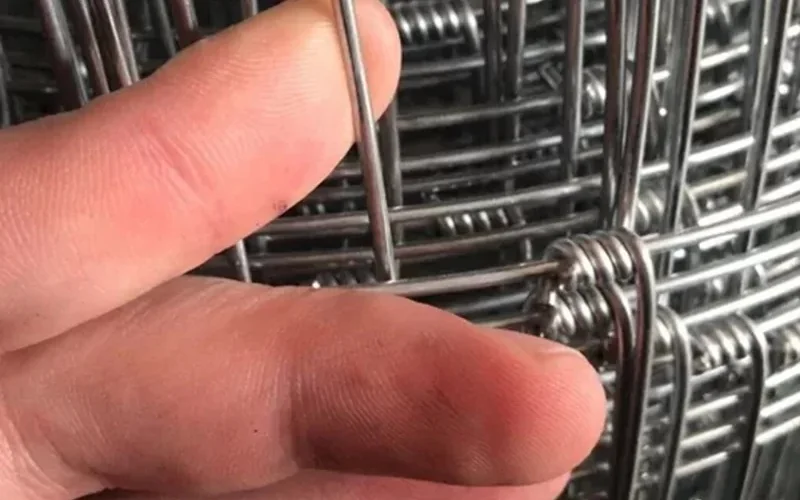
Set the basis for woven wire specification approval
Record the fencing requirements on one sheet. Include knot type, height, roll length and the full mesh pattern. List line count, stay spacing, wire diameters by position and coating. Include the label and the packing unit. Ask each factory to mark the offer as a match, a proposed change or an open point. Compare only fencing products that serve the same fence installation and dealer SKU.
Take a 1047-6 hinge-joint roll as an example. Two offers can share a 47 in height, 6 in stay spacing and 330 ft roll length. One may call for 12.5 ga inner wire and 10.5 ga edge wire, while the other uses 14 ga inner wire and 12.5 ga edge wire. Record the second offer as a proposed change. Compare both against the approved drawing and coating requirement before quoting them as equivalent.
| Approval point | Evidence to compare | Release decision |
|---|---|---|
| Technical identity | Approved drawing, offered drawing and proposed deviations | Accept exact match or approve a documented change |
| Sample review | Sample identification and measurements against the revision | Identify what the sample demonstrates and what still needs production evidence |
| Channel identity | Roll label, buyer SKU mapping and pack quantity | Approve artwork and receiving data together |
| First-container approval | PO, inspection scope, pack list and hold criteria | Confirm who clears each unresolved item |
Set the first-container review before production
Set the scope for first-order inspection. Name the person who can approve substitutions. Use the sample to check the features you agreed to review. Set a separate check for the production lot. State who can release a held lot and put the approved revision on the purchase order.
If only one SKU family is approved, keep other products on separate approval tracks. Shared factory ownership or a familiar product description gives no evidence that another SKU has passed the same review.
Pass the approved configuration to sales and receiving
Give the buying, sales and warehouse teams a common cross-reference. Agree whether the approved configuration can use the existing item record or needs a distinct SKU. If a characteristic changes what customers understood they were buying, document the change before replacing stock. For broad diligence, use the farm fencing supplier checklist.
For a wholesale trial shipment, send your approved woven-wire specification, quantities by item and required evidence to KUNYU’s importer and distributor team.
Test the swap on one item before switching the range
Ask a fencing contractor or a dealer technician to review fit where it matters. Have them check the clip, connection and end detail against the approved drawing. A trial fit can flag a change in how the roll attaches to the posts. Keep that check separate from wire size and coating checks on the lot.
For the same stock code, high quality means meeting the agreed specs and showing how you checked them. If the second source changes the mesh, roll length or package count, make a new line on the quote. Keep the old stock code in use until sales and the warehouse approve the new item record.
Put the old and new drawing numbers on your first purchase order for the alternate source. Mark any open field with an owner and a due date. Ask your reviewer to sign off on the change before the trial lot ships.