
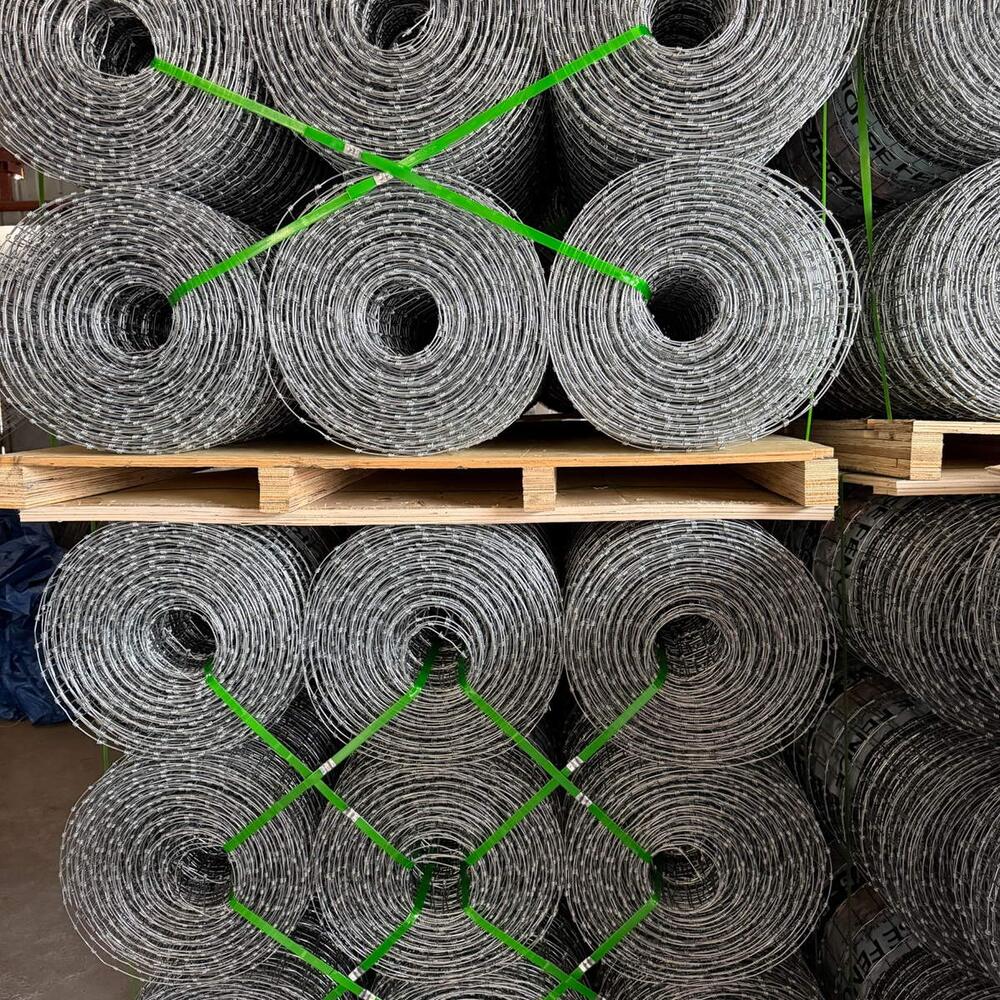
How do I choose the right fencing supplier for my needs?
Choose a supplier whose product range, order size and delivery model match your purchase. Compare written specifications, verifiable company and manufacturing information, sample approval, inspection arrangements and delivered cost. Ask who handles shortages or nonconforming goods before placing an order. A low price per roll is meaningful only when the roll length, wire, coating and packing are equivalent.
1. Choose the purchasing channel first
| Channel | When it fits | What to confirm |
|---|---|---|
| Local agricultural dealer | Small orders, urgent replacement rolls, local collection and regional product advice. | Stock, delivery area, product specification and returns process. |
| Fence contractor | A project requiring survey, material selection and installation. | Whether the quote covers materials, bracing, gates, labor and site preparation. |
| Manufacturer or export supplier | Importers, distributors and project buyers planning bulk or repeat orders. | Model-specific minimums, inspection, packing, shipment responsibilities and replenishment timing. |
KUNYU FENCING is a China-based manufacturer serving bulk export buyers. A farm needing a few rolls immediately should compare local stockists first. Importers building a repeat product range can review the KUNYU importer and distributor program. Do not assume overseas manufacturing supply includes local inventory or installation.
2. Compare the same specification
Send every shortlisted supplier the same specification sheet. For woven wire, state knot type, finished height, line-wire count, vertical and horizontal opening schedule, line and stay wire diameters, wire grade, roll length and coating requirements. Identify the controlling units where both imperial and metric sizes appear.
For barbed wire and posts, prepare separate specification lines. Include barb configuration and coil length for wire, and length, weight grade, finish and packing for posts. Avoid treating product names such as heavy duty or high tensile as complete acceptance criteria.
If the fence type is still undecided, use the farm fence selection guide first. Then compare the available product families against your purchase specification.
3. Verify who manufactures and who sells
Check the supplier's legal company name, manufacturing location and role in the transaction. Ask which company issues the quotation, signs the contract and exports the goods. A brand name and a group history do not by themselves establish the age or capabilities of the contracting company.
Request relevant factory photographs or a factory review, production information for your product family and an example of the records that can accompany an order. Verify any certificate's issuer, validity and product scope. A general company certificate does not prove that a particular fence batch meets your specification. KUNYU buyers can start with the factory and company information and agree order-specific evidence during quotation.
4. Agree sample approval and inspection before production
Use a dated drawing or sample reference to record what has been approved. Define the inspection points, sampling arrangement and acceptance criteria, together with who conducts the inspection and who pays for it. Agree what happens if the results do not meet the order requirements.
- Dimensions: height, opening schedule, wire diameters and roll length.
- Materials: agreed wire and coating requirements, with the applicable test or report scope.
- Workmanship: knot construction, damaged wire, roll condition and finish.
- Packing: labels, model identification, quantities, measured weights and package dimensions.
A sample helps confirm the intended product; it does not replace inspection of the bulk order. Request only evidence relevant to your specification and confirm its availability before making it a purchase condition.
What are the benefits of buying fencing directly from suppliers?
Direct purchasing can simplify specification discussions, private-label packing and repeat-order coordination. For suitable bulk orders, a manufacturer may also help plan compatible fence rolls, barbed wire and posts in one shipment. These benefits depend on the supplier's actual range, minimum order requirements and packing capabilities.
Direct buying is not automatically the lowest total-cost option. Overseas buyers must account for freight, destination charges, import requirements, unloading, storage and the time until goods are available. Small or urgent purchases may be better served by a local dealer. Compare both channels against the same quantity, specification and required delivery date.
5. Compare total cost and delivery responsibilities
Ask each supplier to identify the named delivery location or port and the costs included in the quotation. Confirm separately which transport, import and destination expenses remain with the buyer. Use the same delivery basis when comparing offers, and separate production readiness from ocean transit and final delivery time.
For landed-cost planning, record product and packing charges, freight, insurance where applicable, destination handling, import charges and inland delivery. Have your freight or customs provider confirm route-specific items. For each SKU, obtain measured packing dimensions and weights before estimating loading quantity; review the container loading checklist.
6. Plan repeat supply and claims handling
Keep approved specifications, label artwork and packing references under version control. Ask how a change to material, dimensions or packaging will be communicated. Confirm the records needed for a shortage or quality claim, the contact responsible and the remedy process in writing. Do not infer warranty coverage from marketing descriptions.
What should I send with a bulk fencing enquiry?
| Information | Include in the request |
|---|---|
| Buyer and application | Company, target market, sales channel, animal or boundary application. |
| Product specification | Model or drawing, dimensions, wire, coating and controlling units. |
| Quantity | Quantity by model, initial purchase and expected repeat requirements. |
| Quality evidence | Sample approval, inspection scope and documents required before shipment. |
| Packing | Label artwork, loose or pallet packing and unloading method. |
| Delivery | Destination port or location, requested delivery basis and required timing. |
Ask the supplier to flag deviations instead of silently substituting a different wire, coating or roll length. Minimum quantities, production timing and mixed-loading feasibility should be confirmed for the selected order.
Discuss bulk supply with KUNYU FENCING
KUNYU supplies fixed-knot, hinge-joint and S-knot woven wire, barbed wire and steel T posts for importers, distributors and project buyers. Review the livestock fencing range, then send your specification, quantities, packing preferences and destination for a commercial review.