
1. Separate the two jobs
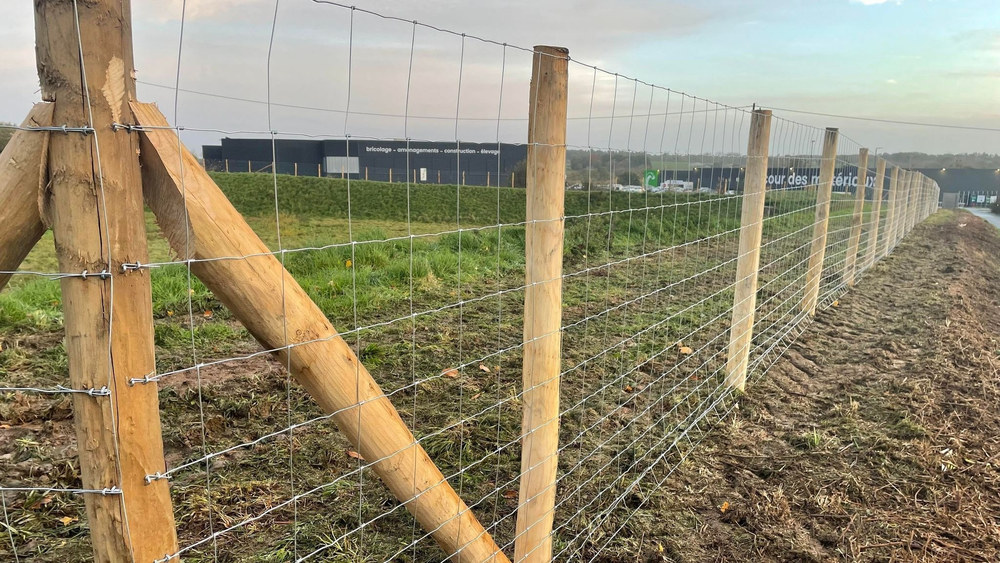
Choose line posts for the approved above-ground height, embedment, attachment method and terrain. Corners, terminations and gates need a brace assembly designed for the expected pull, not simply a line post of the same nominal length. The University of Georgia Extension farm-fence guide discusses end and corner bracing and material selection.
2. Match KUNYU supply to the plan
KUNYU's steel T-post range offers line-post options for farm fencing. Compare overall length, weight, coating, anchor plate and clip compatibility with the approved fence height and embedment. Check the T-post selection guide for product dimensions. If the corner design calls for a separate wood or structural brace assembly, include that in the project bill rather than claiming the T posts replace it.
3. Calculate quantities from the layout
Count each straight run separately using the design's line-post interval, then add its terminal and corner assemblies, gate posts, turns, grade changes and spare allowance. Do not multiply a whole perimeter by one generic spacing and omit the load-bearing ends. The post-spacing guide explains planning inputs; the installer should approve the actual intervals.
4. Send a complete RFQ
Specify fence model and height, run lengths, turns and gates, soil and terrain, required post length and weight, coating and clips, brace drawings, quantities and destination. Request packing details for mixed rolls and posts. That yields a comparable materials quote while keeping site engineering with the responsible designer or installer.
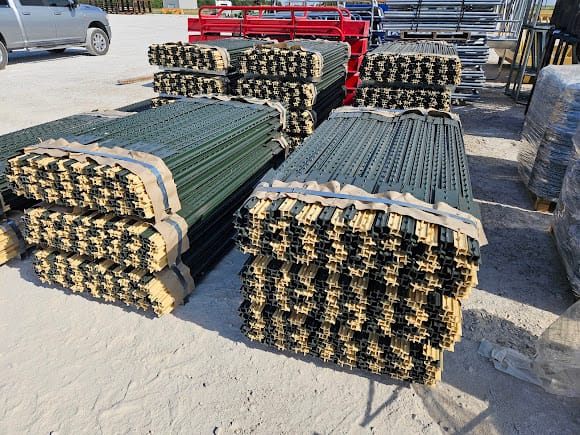 Steel T Posts
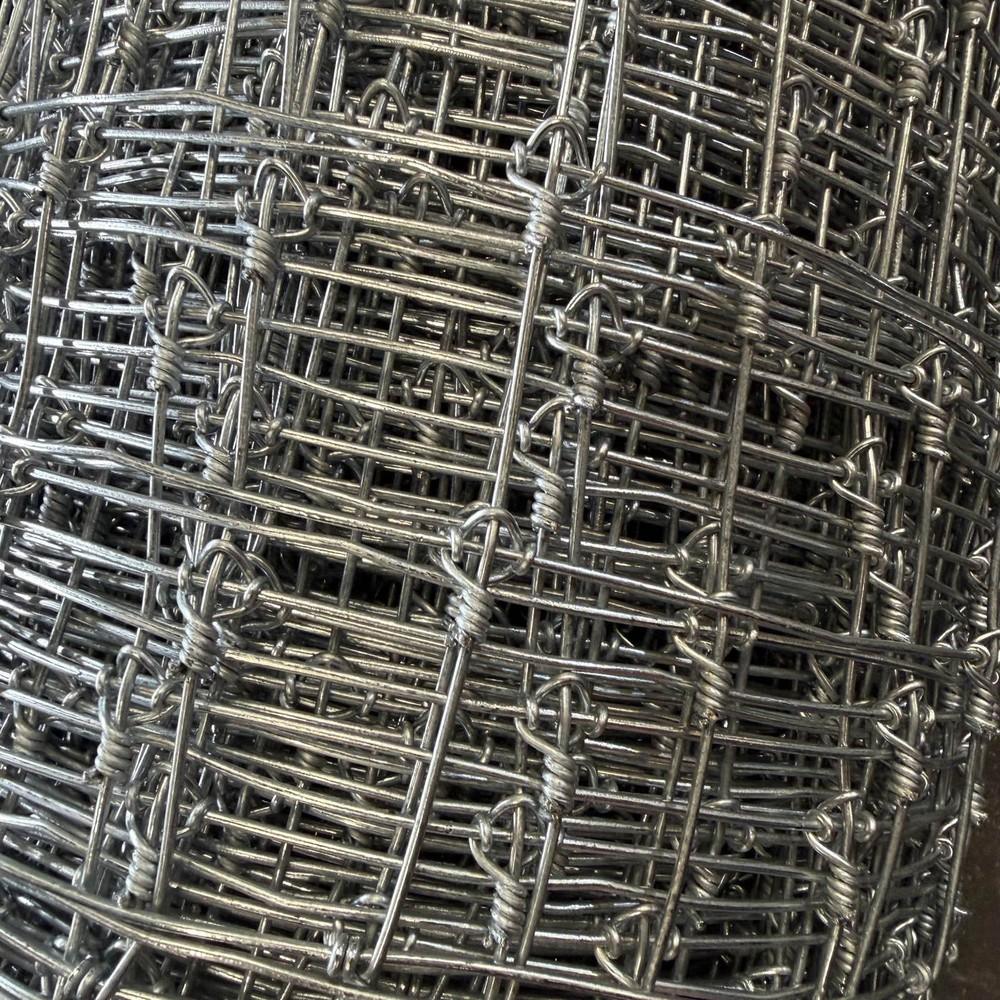 Woven Wire Fence