
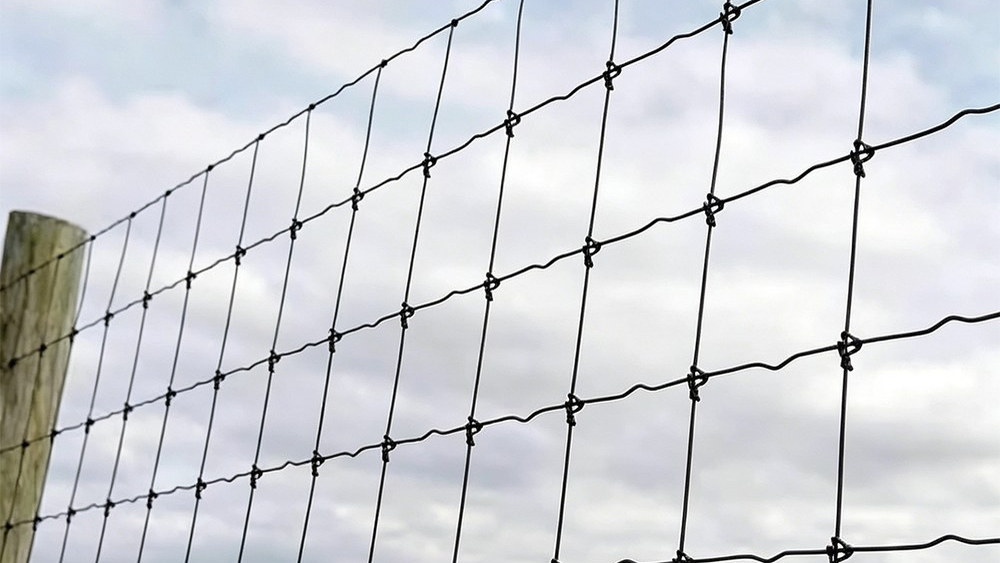
1. Select by application and published model
| Use | KUNYU starting model | Critical check |
|---|---|---|
| Cattle pasture | 1348-6-330, 48 in / 13 lines | Animal pressure, openings and braces |
| Taller livestock perimeter | 1661-6-330, 61 in / 16 lines | Species, gate and line-post design |
| Hogs | 842-6-330, 42 in | Bottom contact and rooting pressure |
| Deer or game | 2096-6-330, 96 in / 20 lines | Exclusion goal, gates and terrain |
These are procurement starting points, not blanket containment approvals. For mixed animals, inspect the smallest possible passage and the largest pressure, including head and hoof hazards.
2. Where does hinge joint fit?
KUNYU also lists hinge-joint field fence for general farm boundaries, including the 1047-6-330. A fixed knot may be chosen where a locked stay pattern and a specified mesh layout suit the project; hinge joint uses a different intersection. Neither name alone establishes a lifetime, post interval or lower installed cost. The construction comparison details that distinction.
3. Build the buying brief
Provide species, containment or exclusion direction, height, full openings, stay spacing, line count, wire diameters and tensile grades, coating, roll length, quantity and destination. Include terrain, gates and support design. University of Georgia Extension gives independent context on farm fence selection and bracing; a site design still needs its own checks.
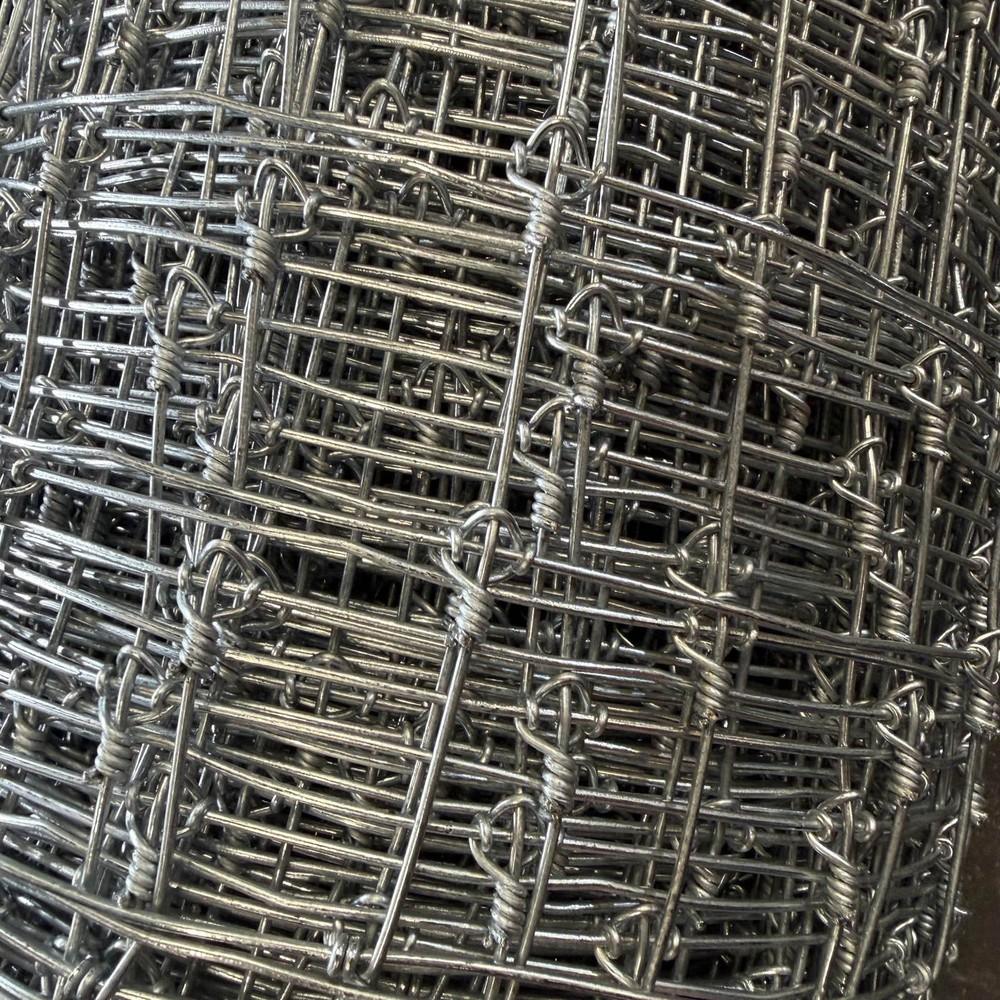 Woven Wire Fence
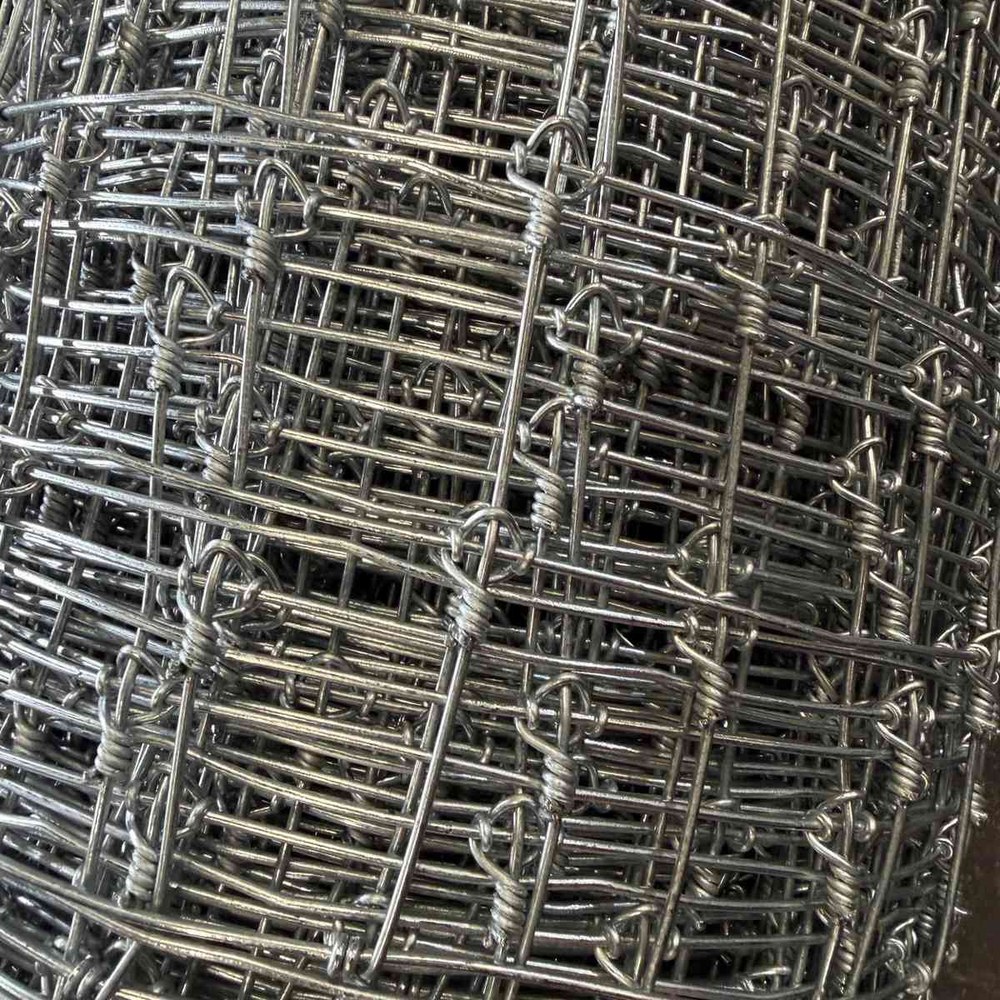 Fixed Knot Cattle