
1. Start with a published model, then complete the drawing
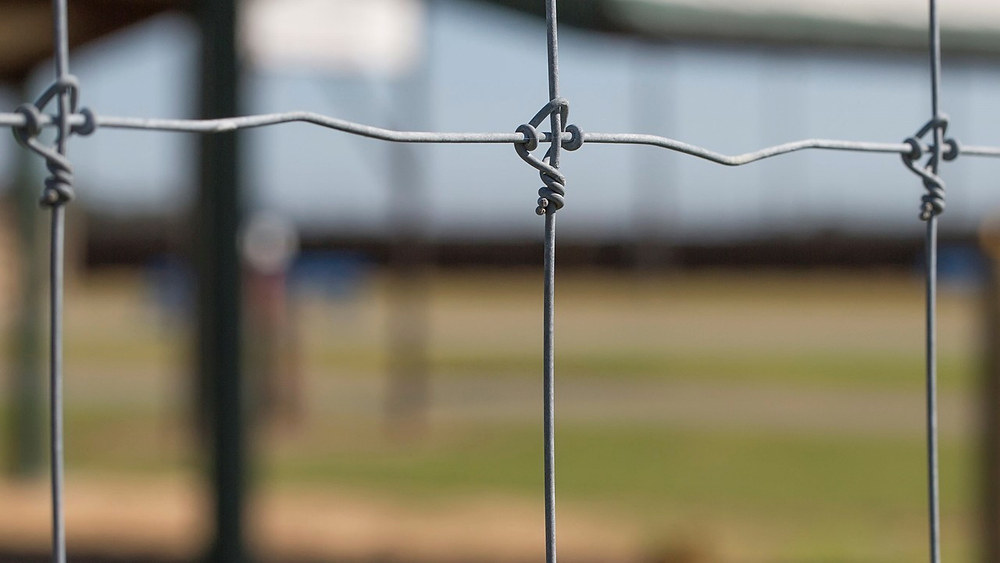
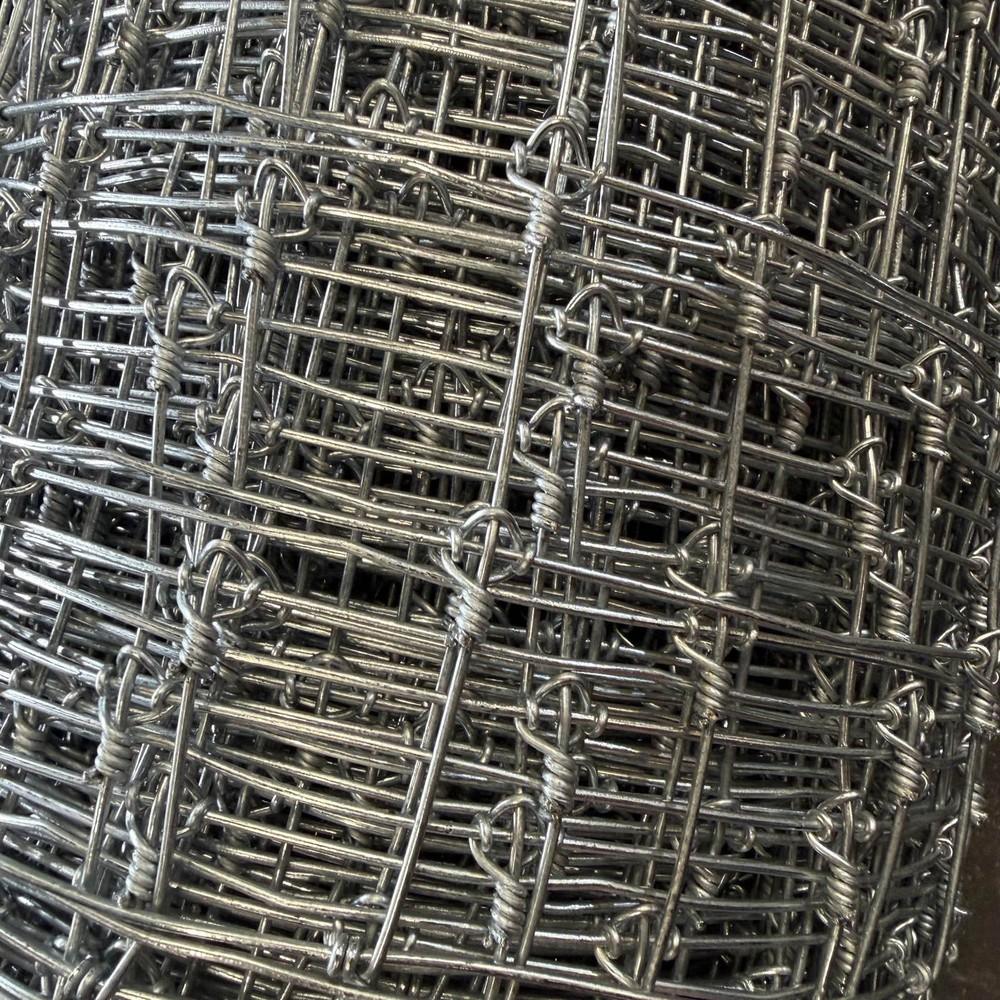
KUNYU manufactures fixed-knot woven wire in its published models and also produces custom heights, stay spacing, mesh schedules and roll lengths to the approved project drawing. Buyers can build a distributor assortment or specify a single farm and ranch project. The model code distinguishes important dimensions, but it does not replace an approved mesh drawing or material specification.
| Published model | Height and lines | Stay spacing and roll | Starting application |
|---|---|---|---|
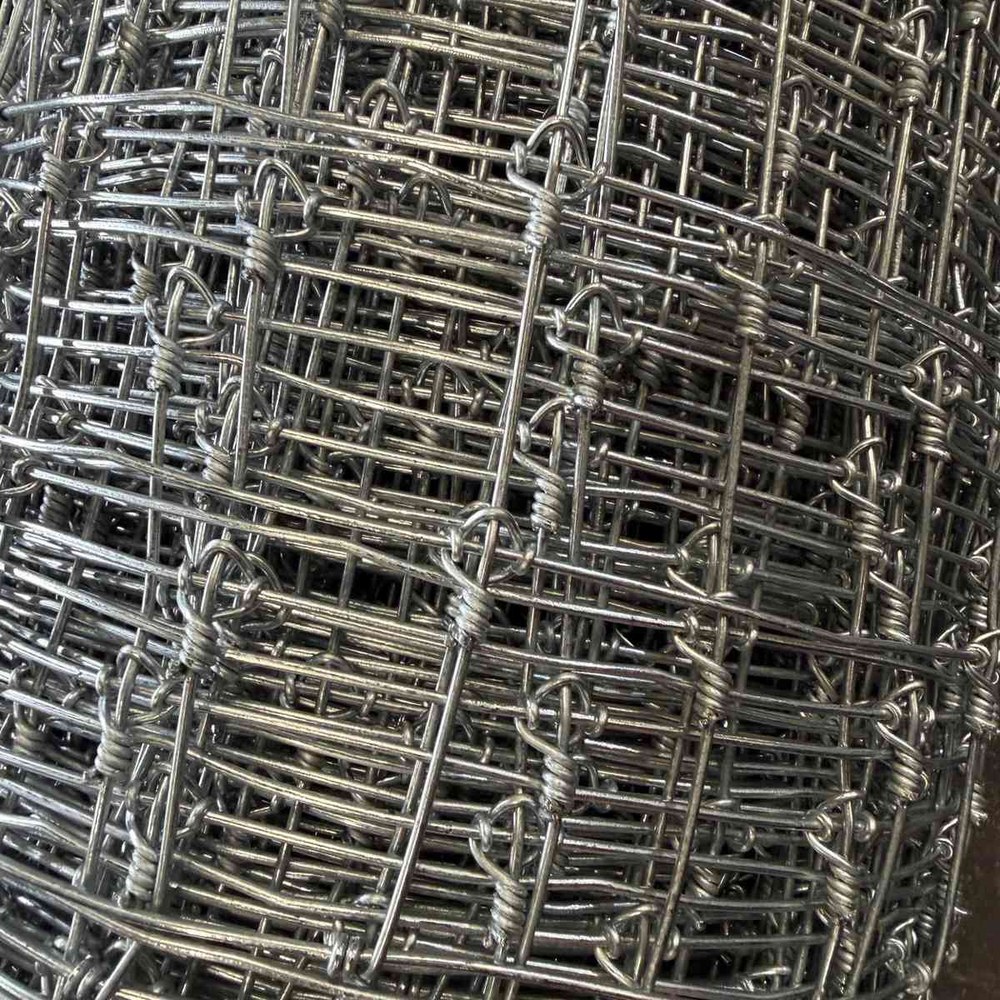
| 1348-6-330 | 48 in, 13 lines | 6 in, 330 ft | Cattle and pasture |
| 1661-6-330 | 61 in, 16 lines | 6 in, 330 ft | Taller livestock perimeter |
| 2096-6-330 | 96 in, 20 lines | 6 in, 330 ft | Deer and game projects |
These are different mesh packages. For either a published or custom specification, confirm the actual vertical openings, edge-wire and line-wire diameters, specified tensile strength and tolerances, knot detail and coating requirement. Do not infer that all wire positions share one gauge or grade.
2. Separate material specification from the installed system
High tensile describes wire strength. It does not set a universal post spacing, safe impact load or service life. End assemblies, terrain, soil, turns, gates, animal pressure and installer tension all affect the fence. The University of Georgia Extension farm-fence guide explains the role of end and corner braces in a tensioned fence system. Read KUNYU's post-spacing guide for planning inputs; finalize the layout for the site.
3. Compare quotes on the same basis
Specify model or drawing revision, all wire positions and coatings, 330 ft (100.584 m) or another exact roll length, total footage, roll count, packing and destination. A nominal 100 m roll is shorter than 330 ft. Ask for the supplier's applicable material and coating inspection documents instead of assuming a standard from a marketing label.
 Woven Wire Fence
 1348-6-330 Fixed Knot