Fixed Knot Fence: Product Overview
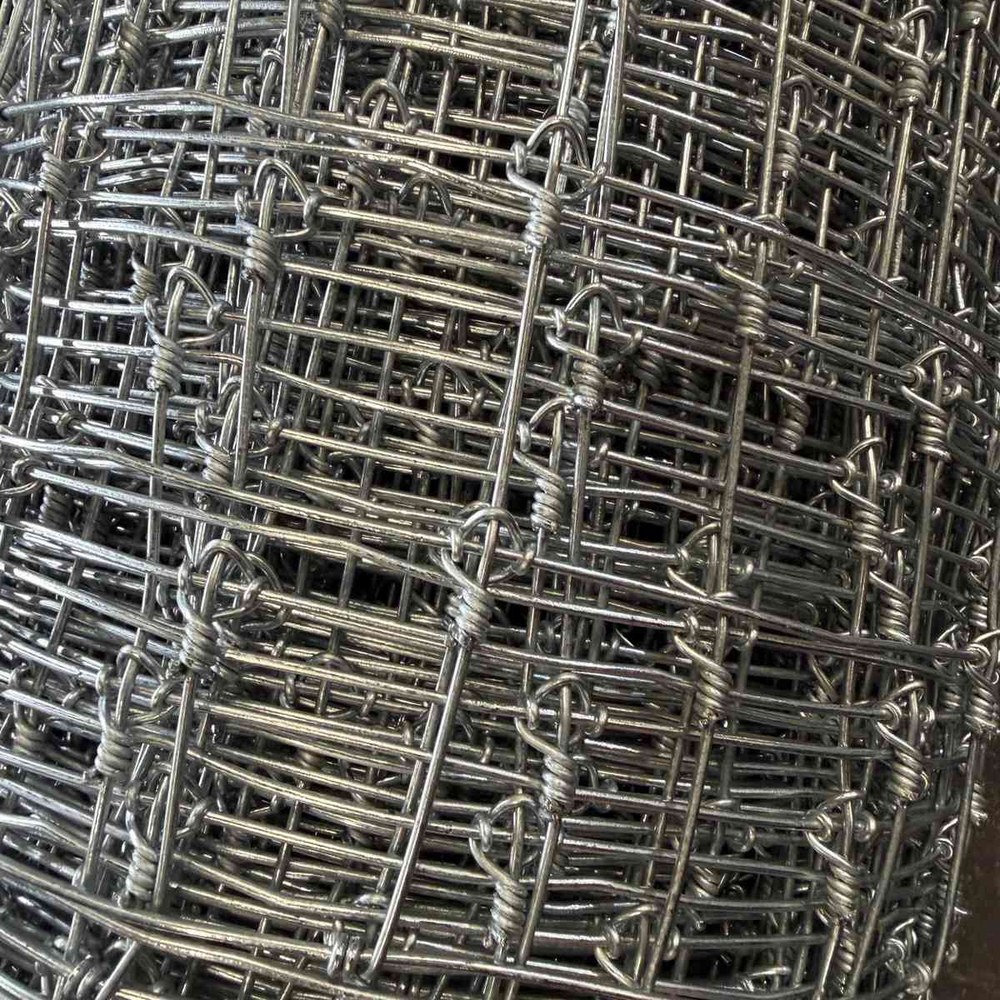
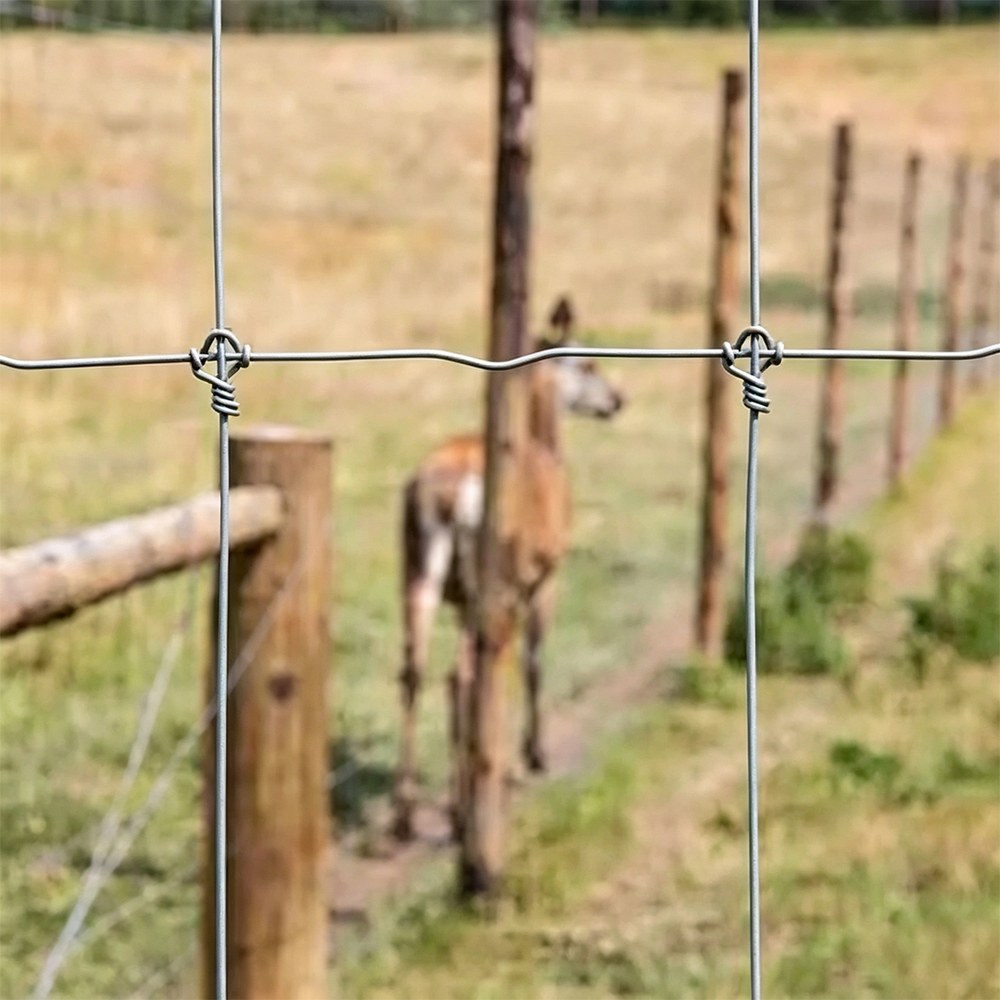
Fixed knot fence is woven wire mesh with a separate knot wire securing each line-and-stay intersection. Continuous vertical stays and horizontal line wires form the fence, while the knot holds the crossing together. It is used in cattle, pasture and taller deer-fence systems, with the height and mesh layout selected for the animals and site.
Watch KUNYU FENCING’s finished-product footage, then compare the models, opening patterns and bulk-order options below. For a 48 in cattle-fence specification, start with 1348-6-330 high tensile fixed knot fence; taller livestock and deer designs have their own specifications.
What should you look for in the video?
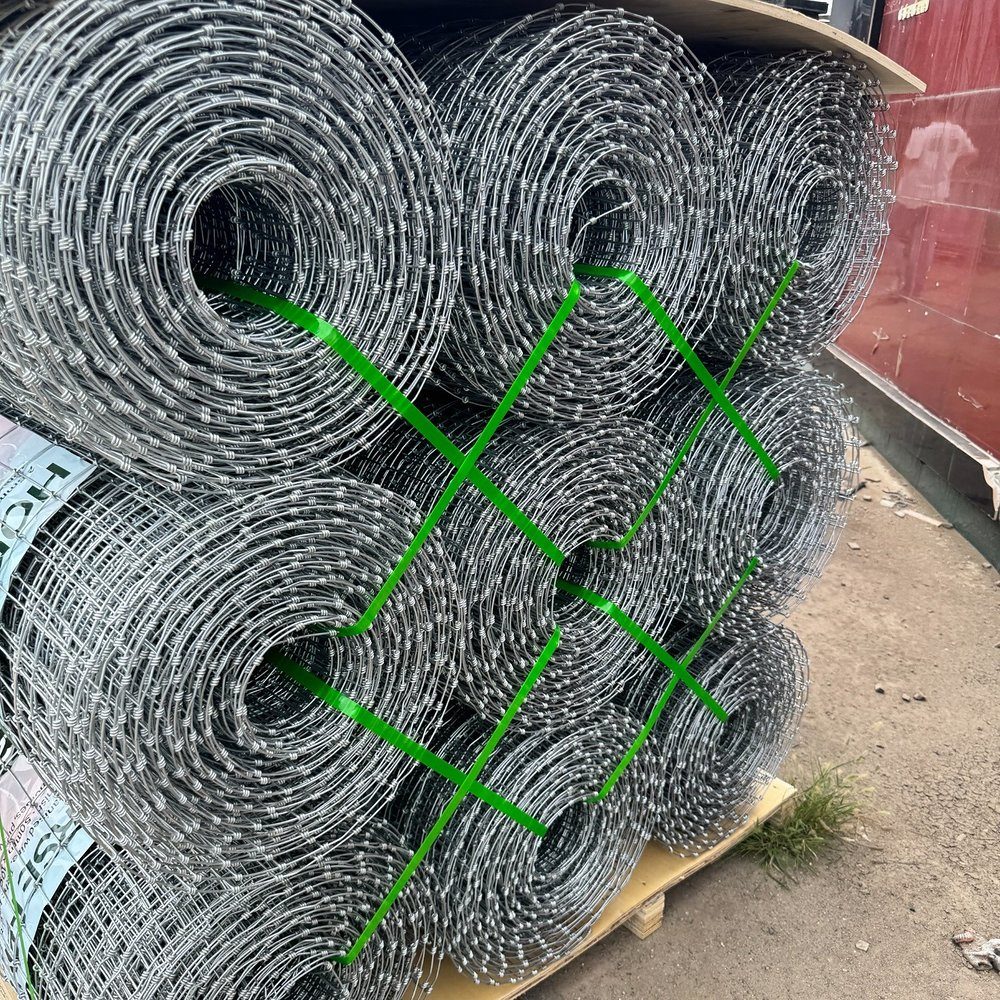
Look at the separate knot around each intersection, the continuous vertical stay wires and the spacing of the horizontal lines. These details show how fixed knot construction differs from a welded intersection or a hinge joint. The footage gives a close view of finished rolls; the model table provides the dimensions for individual products.
Which fixed knot fence model should you choose?
Choose by height, line-wire count and the complete opening schedule. A 949 and a 1348 fence are almost the same height, but 1348 has four more horizontal wires. For a taller livestock boundary, review 1661; for an 8 ft deer-fence specification, review 2096. Animal size, horns, pressure and terrain still determine the suitable design.
| Model | Height | Line wires | Stay spacing | Roll length |
|---|---|---|---|---|
| 949-6-330 | 49 in | 9 | 6 in | 330 ft |
| 1348-6-330 | 48 in | 13 | 6 in | 330 ft |
| 1661-6-330 | 61 in | 16 | 6 in | 330 ft |
| 2096-6-330 | 96 in / 8 ft | 20 | 6 in | 330 ft |
330 ft = 100.584 m. Stay spacing is measured horizontally; it does not describe the vertical opening height.
What does 1348-6-330 mean?
13 horizontal wires, 48 in fence height, 6 in between vertical stays, and a 330 ft roll. The code identifies the layout and length. Wire diameters, tensile requirements and coating must also be specified to compare two offers accurately.
Does 6 in stay spacing mean a 6 × 6 in mesh?
No. The 6 in figure is the distance between vertical stays. The distances between horizontal wires follow the model’s bottom-to-top opening schedule. Request that layout when checking suitability for calves, small livestock or horned animals. See the metric fixed knot specification selector for separately specified metric designs.
Fixed knot, hinge joint or barbed wire?
Fixed knot is a candidate when you want a continuous woven barrier with secured intersections. Hinge joint is another woven-wire option, while barbed wire forms a boundary from individual strands. Compare the complete fence system and livestock requirements rather than choosing on the knot name alone.
- Fixed knot fence: compare the height, opening schedule and wire specification for a cattle, pasture or exclusion barrier.
- Hinge joint field fence: review the joint and wire grade for your terrain and livestock program; hinge joint can also use high tensile wire.
- Barbed wire: assess strand count, spacing and animal suitability for a boundary or a separately designed fence system.
For a closer purchasing comparison, read fixed knot vs hinge joint fence.
How do you plan a fixed knot fence installation?
Plan the ends, corners, gates and bracing before ordering the line posts. Post spacing depends on the selected fence, tension, terrain, soil and animal pressure. Use the installation requirements for the ordered system instead of applying one spacing to every height and wire grade.
- Measure each fence run and mark gates, corners, dips and changes in direction.
- Select the fence height and opening schedule, then confirm the post-and-brace design.
- Calculate rolls from the net fence length, adding allowances for joins, handling waste and repairs.
- Confirm line posts, fixings, tensioning tools and the installer’s requirements before shipment.
For example, a 1,000 ft net run needs at least four 330 ft rolls: three cover only 990 ft. This is a length calculation; bracing, posts, joins and site allowances are separate. Review the fence post planning guide for quantity examples.
Fixed knot fence: bulk buying questions
What wire gauge and coating should I specify?
The published 1348-6-330 reference uses 12.5 gauge high tensile wire. State the diameter in millimetres and tolerance for the line, edge, stay and knot wires when comparing offers. Class 3 galvanized and zinc-aluminum coatings are separately quoted options; specify the coating basis and request the corresponding inspection evidence.
Can I order custom fixed knot fence with OEM labels?
Yes. KUNYU offers OEM labels and private-label packing for bulk orders. Send your required height, line-wire count, opening schedule, roll length, wire and coating specification. A different stay spacing or 660 ft roll is a separate configuration, with production feasibility, packing and minimum quantity reviewed before quotation.
What is the MOQ, and can I mix models in one container?
The published MOQ for the 1348-6-330 product is one 20 ft container (1 × 20GP). Mixed-model allocation and compatible fence-and-post combinations are reviewed in the quotation. Loading quantity depends on the approved roll size, weight and packing arrangement.
What determines the wholesale price and delivery time?
Wire diameters, line count, fence height, roll length, coating, order quantity and packing all affect the quotation. Give the destination port and requested FOB or CIF basis so freight terms are comparable. Production lead time is confirmed in the written offer; sea transit and destination delivery are scheduled separately.
What should you send for a factory quotation?
Send the model or drawing, wire schedule, coating requirement, quantity, packing preference and destination port. Include your label artwork and inspection requirements if applicable. This gives your purchasing team a defined basis for comparing offers.
Before approving production, match the quotation to the agreed layout and confirm net/gross roll weight, packed dimensions, pallet arrangement and the required inspection records. Use our container loading guide to prepare your shipment questions.