
1. Turn the purchase order into an inspection sheet
Create one line per SKU before production. A signed sample helps identify the intended product, but the shipment needs its own measurements and traceable records. The following is a buyer’s inspection framework; tolerances and sample quantities must be agreed for the order.
| Check | Record or method | Acceptance basis |
|---|---|---|
| Identity and finish | SKU, batch, welded/woven construction, zinc/PVC system | Approved drawing and order |
| Clear opening | Inside-to-inside measurement in both directions at agreed positions | Specified finished opening and tolerance |
| Wire diameter | Micrometer readings in both directions; distinguish core and outside coating | Agreed diameter basis and tolerance |
| Roll width and net length | Measure width and unroll selected rolls using the agreed method | Ordered usable width and net length |
| Joints and edges | Inspect selected rolls for broken joints, damaged wires and edge condition | Agreed defect definitions and any required weld test |
| Coating | Record visible defects and specified test results | Approved coating requirement and test method |
| Weight | Net mesh weight separately from gross packed weight | Order records and agreed comparison basis |
| Labels and quantity | Count by SKU; reconcile roll and pallet labels | Purchase order and packing list |
Use clear opening rather than an unexplained mesh-count label in the inspection record. Record the tool, unit, roll ID and actual result; a photograph without a readable measurement is not a dimensional record.
2. Make short rolls visible in the arithmetic
| Item | Ordered example | Measured example |
|---|---|---|
| Roll width | 1.00 m | 1.00 m |
| Net length per roll | 30.00 m | 29.40 m |
| Area per roll | 30.00 m² | 29.40 m² |
| Area for 100 rolls | 3,000 m² | 2,940 m² |
In this example, the shipment is 60 m² short, or 2%, although it still contains 100 rolls. Calculate shortage as (ordered length − measured length) ÷ ordered length. Decide acceptance against the agreed contract tolerance; 2% is not a recommended tolerance. Net weight can flag an inconsistency but cannot by itself prove which dimension is wrong.
3. Agree sampling and the release decision
Define the lot by SKU and production batch, select rolls across the lot, and agree which checks require unrolling or destructive testing. Specify sample quantities, defect categories, acceptance/rejection rules and the response to a failed check before inspection. There is no universal sampling percentage suitable for every order.
If a result falls outside the agreed limit, identify and hold the affected lot, investigate it, and record the agreed correction or reinspection before release. Keep the approved sample, drawing revision, measurement sheet and photographs together. A report for a different mesh size or batch does not establish compliance for this shipment.
4. Measure the packed load, not the unfolded mesh
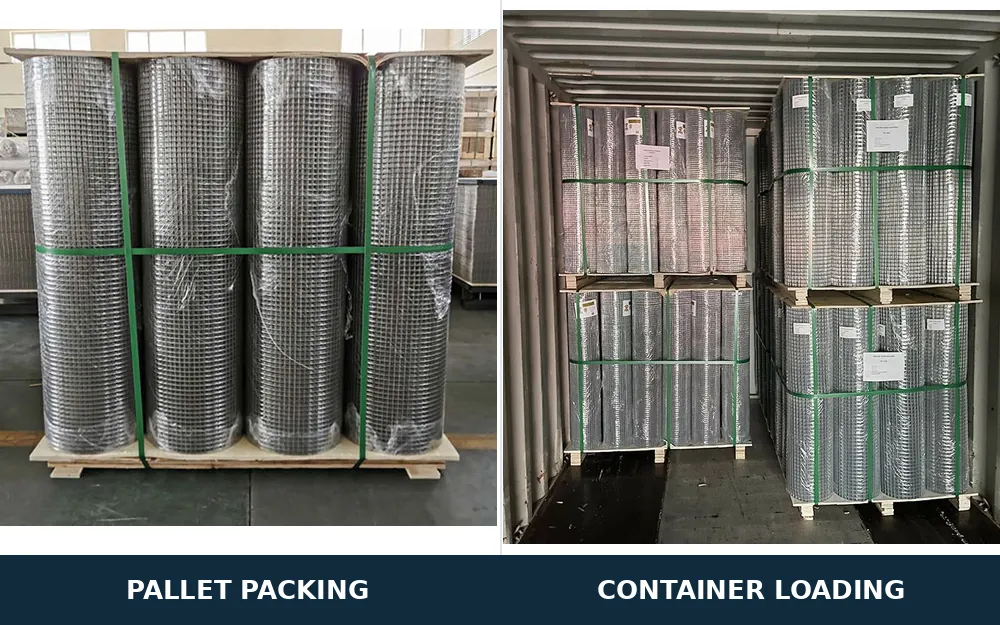
For freight planning, record the outer length × width × height and gross weight of every handling unit. A cylindrical roll occupies a rectangular envelope in many load plans, so nominal mesh area does not predict container capacity.
| Input or calculation | Example result |
|---|---|
| Loaded pallet outer dimensions | 1.20 × 1.00 × 1.10 m |
| Envelope volume per pallet | 1.32 m³ |
| 10 identical pallets | 13.20 m³ |
| Gross weight assumed per pallet | 600 kg |
| Total gross cargo weight | 6,000 kg |
These are planning examples, not a KUNYU packing specification or guaranteed container load. Validate the actual layout against door clearance, internal dimensions, payload, floor loading, stackability, restraint and unloading access. Volume division alone misses these constraints.
5. Use a shipment-release checklist
| Before loading | Evidence to retain |
|---|---|
| Product released | Inspection result, approved deviations and final SKU quantities |
| Packing checked | Protected edges, secure wrapping, readable labels and actual dimensions |
| Documents reconciled | Matching SKU, rolls, packages, net/gross weights on invoice and packing list |
| Destination packaging requirements checked | Pallet/dunnage material and any required marks |
| Load identified | Container and seal numbers, load layout and dated loading photos |
| Arrival procedure agreed | Receiving count, condition photos and agreed shortage/damage reporting process |
For U.S. shipments, USDA APHIS guidance requires regulated solid-wood packaging to meet ISPM 15 treatment and marking requirements. Plywood and plastic pallets are listed alternatives; check any solid-wood components or dunnage separately. Confirm destination requirements before packing, rather than relying on a pallet photograph from a previous order.
6. Send the factory a complete enquiry
Provide the SKU schedule, opening, steel/core and finished diameters where relevant, finish, width, net length, quantity, destination, packing and inspection requirements. Ask for MOQ, production timing and the loading plan in the quotation for the actual order. Reference the drawing revision and sample ID on repeat orders, and list changes explicitly.
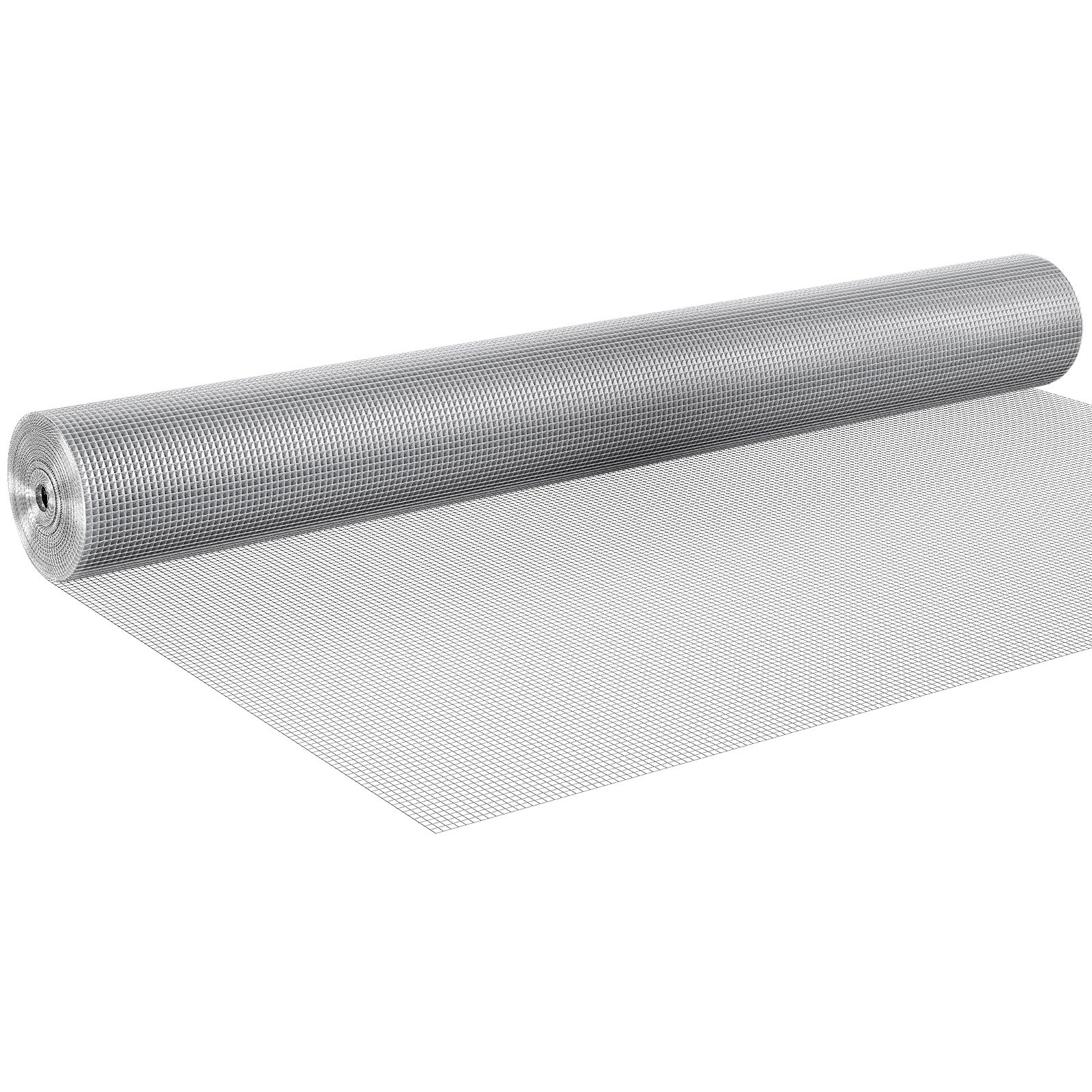 1/4-Inch Galvanized Hardware Cloth
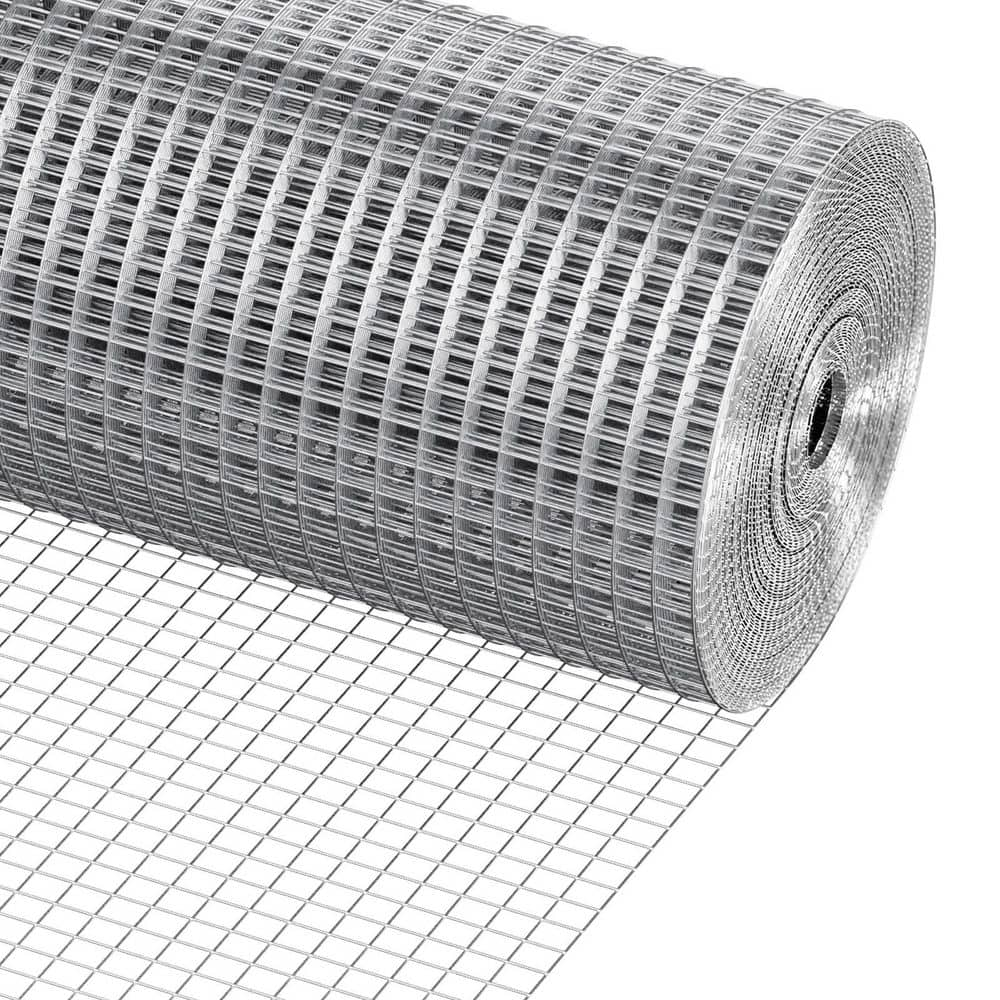 1/2-Inch Galvanized Hardware Cloth
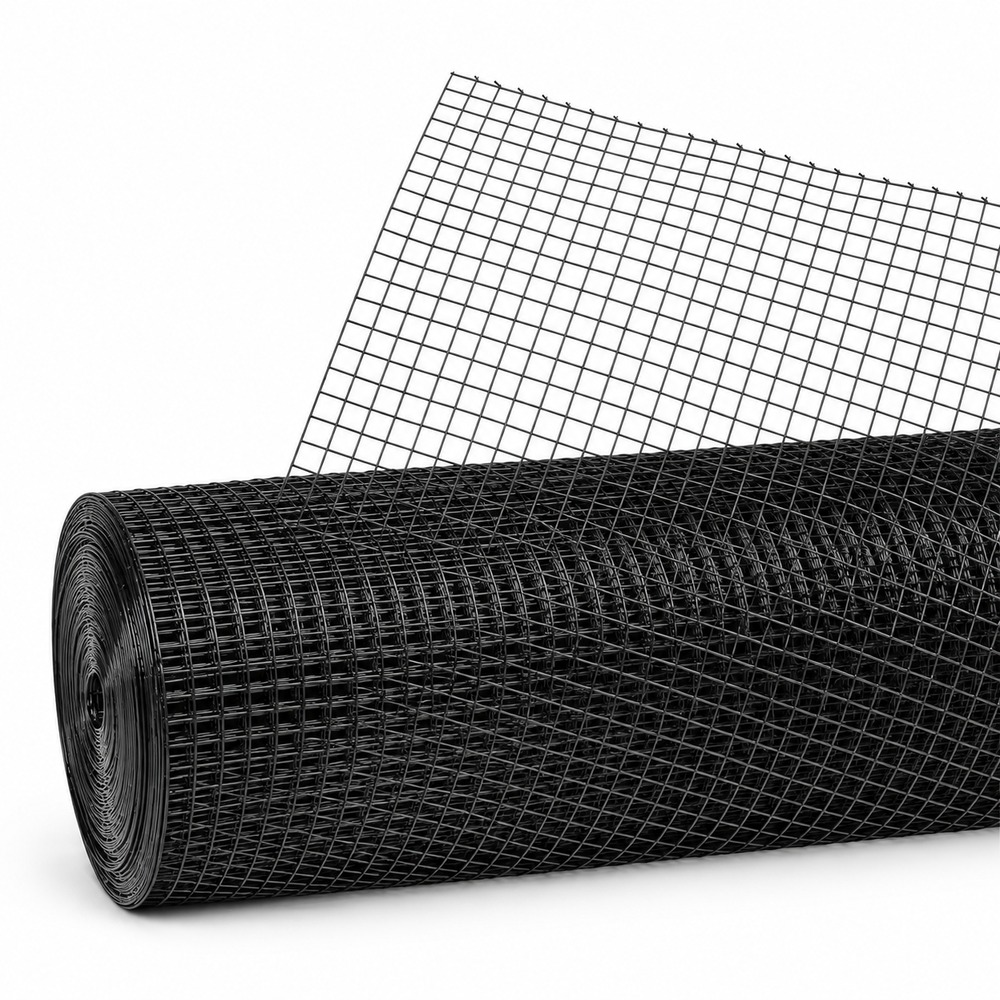 PVC-Coated Hardware Cloth